

Blog
Intelligent AP Automation with AI Agents
Discover how AI transforms accounts payable: automating invoice processing, reducing errors, and improving vendor relations.

Blog
Discover how AI transforms accounts payable: automating invoice processing, reducing errors, and improving vendor relations.
In the intricate landscape of modern business operations, few processes are as universally challenging yet critically important as accounts payable management. Every organization, regardless of size or industry, must navigate the complex web of invoice processing, vendor payments, and financial compliance that forms the backbone of their operational infrastructure. Traditional accounts payable departments have long struggled with the manual, time-intensive nature of invoice processing, where human analysts spend countless hours extracting data from documents, cross-referencing purchase orders, routing approvals through hierarchical structures, and manually entering information into enterprise resource planning systems. This labor-intensive approach not only consumes valuable human resources but also introduces significant risks of error, delay, and compliance issues that can cascade throughout an organization's financial operations.
The contemporary business environment demands a fundamental reimagining of how accounts payable operations function, moving beyond the constraints of manual processes toward intelligent, automated systems that can handle the complexity and volume of modern invoice processing requirements. Organizations today receive invoices in dozens of different formats, from traditional paper documents and PDF files to electronic data interchange formats and supplier portal submissions, each requiring different handling approaches and data extraction methodologies. The challenge is compounded by the need to maintain accuracy while processing these documents at scale, ensuring compliance with internal policies and external regulations, and maintaining positive vendor relationships through timely and accurate payments. 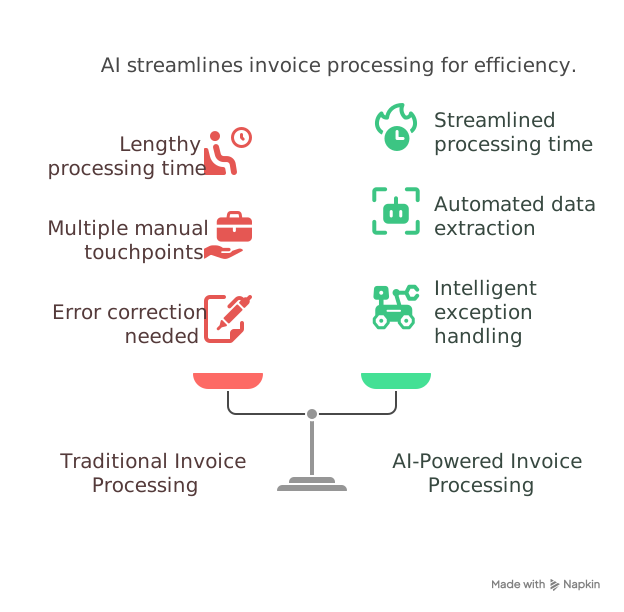
The landscape of accounts payable operations is fraught with systemic challenges that have persisted for decades, creating operational inefficiencies that extend far beyond the finance department itself. Manual data entry represents perhaps the most visible and immediately problematic aspect of traditional invoice processing, where accounts payable clerks must carefully transcribe information from invoices into their organization's financial systems. This process is inherently prone to human error, with studies consistently showing that manual data entry can result in error rates ranging from 1% to 5%, depending on the complexity of the documents and the experience level of the personnel involved. These errors, while seemingly small in percentage terms, can have significant downstream impacts when multiplied across thousands of invoices processed monthly by medium to large organizations.
The temporal inefficiencies inherent in manual invoice processing create cascading delays that affect vendor relationships, cash flow management, and overall operational effectiveness. A typical invoice in a manually-processed environment may require anywhere from several days to several weeks to complete its journey from receipt to payment, depending on the complexity of approval workflows and the availability of key personnel. During this extended processing period, invoices may sit in physical or digital queues awaiting attention, approvers may be unavailable due to travel or competing priorities, and discrepancies may require multiple rounds of investigation and communication between departments. These delays not only strain vendor relationships but also frequently result in missed early payment discounts and, in some cases, late payment penalties that directly impact an organization's bottom line.
The challenge of handling diverse invoice formats and sources has become increasingly complex as organizations expand their supplier networks and embrace digital transformation initiatives. Modern businesses typically receive invoices through multiple channels including traditional mail, email attachments, supplier portals, electronic data interchange systems, and increasingly through mobile applications and cloud-based platforms. Each of these channels presents unique formatting challenges, with invoices arriving as scanned PDFs, native digital documents, structured data files, or even photographs taken with mobile devices. The lack of standardization across these formats requires accounts payable personnel to adapt their processing approaches constantly, increasing the likelihood of errors and further extending processing times.
Approval workflow management in traditional accounts payable environments often relies on rigid, hierarchical structures that fail to adapt to the dynamic nature of modern business operations. These workflows typically require invoices to follow predetermined paths through multiple levels of management approval, regardless of the invoice amount, vendor relationship, or urgency of payment. When key approvers are unavailable, invoices can become trapped in workflow bottlenecks, creating delays that affect not only the specific transaction but also the broader financial planning and cash flow management of the organization. The lack of flexibility in these traditional systems means that exceptions and urgent payments often require manual intervention and workaround processes that bypass established controls, potentially creating compliance risks and audit concerns. 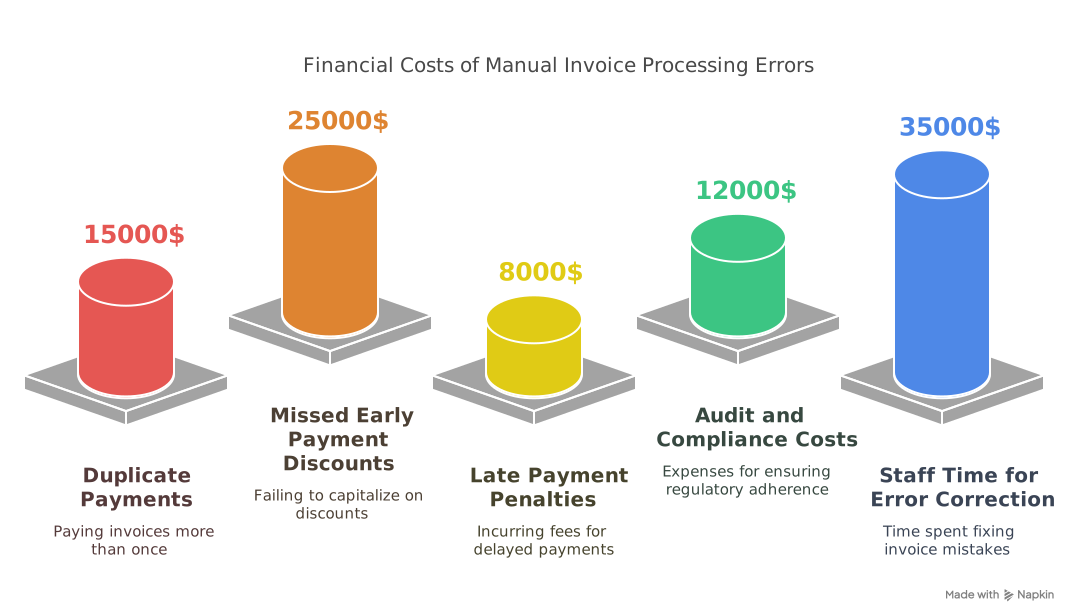
Artificio's approach to transforming accounts payable operations centers on a sophisticated ecosystem of specialized artificial intelligence agents, each designed to address specific aspects of the invoice processing workflow while working collaboratively to create a seamless, intelligent automation platform. This multi-agent architecture represents a fundamental departure from traditional automation solutions that typically focus on individual process steps, instead providing a comprehensive framework that can adapt to the complexity and variability inherent in modern accounts payable operations. The system's intelligence lies not just in its ability to automate routine tasks, but in its capacity to learn from each interaction, continuously improving its performance and adapting to the unique requirements and preferences of each organization it serves.
The Document Intelligence Agent serves as the foundational component of Artificio's invoice processing solution, employing advanced optical character recognition, natural language processing, and machine learning algorithms to extract meaningful data from invoices regardless of their format, layout, or source. This agent has been trained on millions of invoice documents across industries, enabling it to recognize and interpret the vast array of layouts, formats, and data structures commonly encountered in business-to-business transactions. Unlike traditional template-based extraction systems that require manual configuration for each new invoice format, the Document Intelligence Agent utilizes deep learning models that can automatically identify key data fields such as vendor information, invoice numbers, dates, line items, tax amounts, and total values, even when these elements appear in non-standard locations or formats within the document.
The sophistication of this agent extends beyond simple data extraction to include contextual understanding and validation capabilities that mirror the analytical processes performed by experienced accounts payable professionals. The system can identify relationships between different data elements within an invoice, cross-reference extracted information against historical patterns and known vendor profiles, and flag potential discrepancies or anomalies for human review. This intelligent validation process significantly reduces the likelihood of processing errors while maintaining the efficiency gains associated with automated data extraction. Furthermore, the agent's learning capabilities mean that it continuously improves its accuracy and efficiency over time, incorporating feedback from user corrections and adapting to new invoice formats and vendor-specific variations as they are encountered.
The Workflow Optimization Agent represents a sophisticated approach to process improvement that goes beyond simple task automation to provide intelligent orchestration of the entire accounts payable workflow. This agent continuously monitors and analyzes the flow of invoices through an organization's approval processes, identifying bottlenecks, inefficiencies, and opportunities for improvement using advanced analytics and machine learning algorithms. By examining patterns in approval times, identifying frequently occurring delays, and analyzing the characteristics of invoices that require exceptional handling, the Workflow Optimization Agent can provide actionable insights that enable organizations to streamline their processes and improve overall efficiency.
The intelligence of this agent extends to its ability to dynamically optimize routing decisions based on real-time conditions and historical performance data. Rather than following rigid, predetermined approval paths, the system can intelligently route invoices based on factors such as approver availability, invoice characteristics, urgency requirements, and organizational priorities. For example, the agent might recognize that certain types of invoices from trusted vendors can be processed through expedited approval paths, while invoices containing unusual characteristics or significant amounts require additional scrutiny and specialized routing. This dynamic approach to workflow management ensures that resources are allocated efficiently while maintaining appropriate controls and oversight.
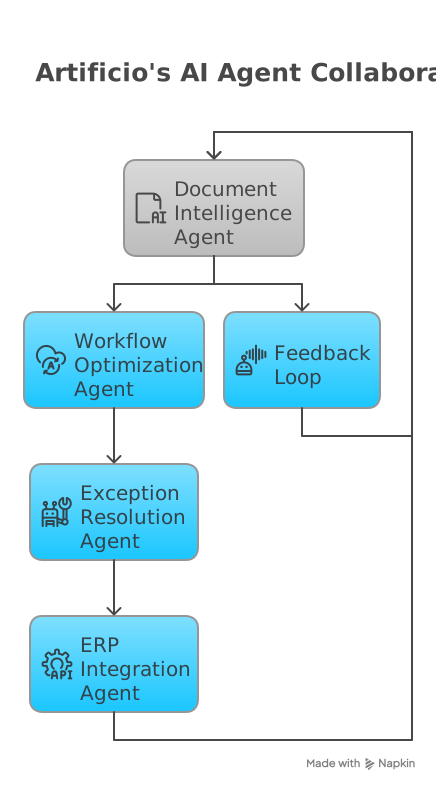
The Exception Resolution Agent represents one of the most sophisticated aspects of Artificio's invoice processing solution, addressing the complex challenge of handling discrepancies, errors, and unusual circumstances that inevitably arise in accounts payable operations. Traditional automation systems typically fail when encountering exceptions, requiring human intervention to resolve issues and often causing significant delays in processing. Artificio's approach to exception handling leverages artificial intelligence to not only identify potential problems but also to suggest appropriate resolutions based on historical data, organizational policies, and best practices learned from similar situations across its extensive knowledge base.
This agent operates as an intelligent problem-solving system that can analyze the context and characteristics of each exception to determine the most appropriate course of action. When discrepancies are identified between invoice data and purchase orders, for example, the agent can examine the nature and magnitude of the differences, consider the vendor's historical performance and relationship with the organization, and evaluate similar situations that have been resolved previously. Based on this analysis, the agent can suggest specific resolution strategies, from automatic approval of minor discrepancies within predefined tolerance limits to detailed investigation workflows for more significant issues that require human oversight.
The learning capabilities of the Exception Resolution Agent enable it to become increasingly effective over time as it accumulates experience with an organization's specific policies, vendor relationships, and operational preferences. The system maintains detailed records of how different types of exceptions have been resolved in the past, the outcomes of various resolution strategies, and the factors that contributed to successful problem resolution. This knowledge base becomes a valuable organizational asset that captures institutional knowledge and ensures consistency in exception handling even as personnel changes occur within the accounts payable department.
The agent's ability to provide contextual information and recommendations to human decision-makers represents a significant advancement in exception handling efficiency. Rather than simply flagging problems and requiring accounts payable personnel to investigate from scratch, the system provides comprehensive context including relevant historical information, potential resolution options, and recommended actions based on similar situations. This approach enables human analysts to make informed decisions quickly while ensuring that all relevant factors are considered in the resolution process.
The ERP Integration Agent addresses one of the most technically challenging and operationally critical aspects of invoice processing automation: ensuring that processed invoice data is accurately and seamlessly integrated into an organization's existing enterprise resource planning systems while maintaining data integrity, compliance requirements, and operational consistency. This agent serves as an intelligent bridge between Artificio's AI-powered processing system and the diverse landscape of ERP platforms, accounting systems, and financial management tools that organizations rely on for their core business operations.
The complexity of ERP integration extends far beyond simple data transfer, encompassing the need to understand and adapt to the unique data structures, business rules, and workflow requirements of different systems. Modern organizations often utilize multiple interconnected systems for different aspects of their financial operations, from specialized accounts payable modules within comprehensive ERP suites to standalone procurement platforms and vendor management systems. The ERP Integration Agent is designed to understand and work with these complex system architectures, ensuring that invoice data flows seamlessly between systems while maintaining referential integrity and compliance with established business rules.
The agent's sophisticated mapping and transformation capabilities enable it to translate invoice data from Artificio's standardized internal format into the specific data structures and formats required by target systems. This process involves more than simple field mapping, as the agent must understand the business logic and validation rules of the target system to ensure that data is not only formatted correctly but also complies with the system's built-in controls and constraints. For example, the agent must ensure that vendor codes exist in the target system, that general ledger accounts are valid and properly authorized for the specific transaction type, and that approval workflows are properly triggered based on the characteristics of each invoice.
The real-time synchronization capabilities of the ERP Integration Agent ensure that invoice processing status and approvals are immediately reflected across all connected systems, providing stakeholders with accurate, up-to-date information regardless of which system they are accessing. This synchronization extends to maintaining audit trails and compliance documentation, ensuring that all activities related to invoice processing are properly recorded and available for reporting, analysis, and regulatory compliance purposes. The agent also handles error conditions and system availability issues gracefully, implementing retry logic and alternative processing paths to ensure that temporary system outages or connectivity issues do not disrupt the overall invoice processing workflow.
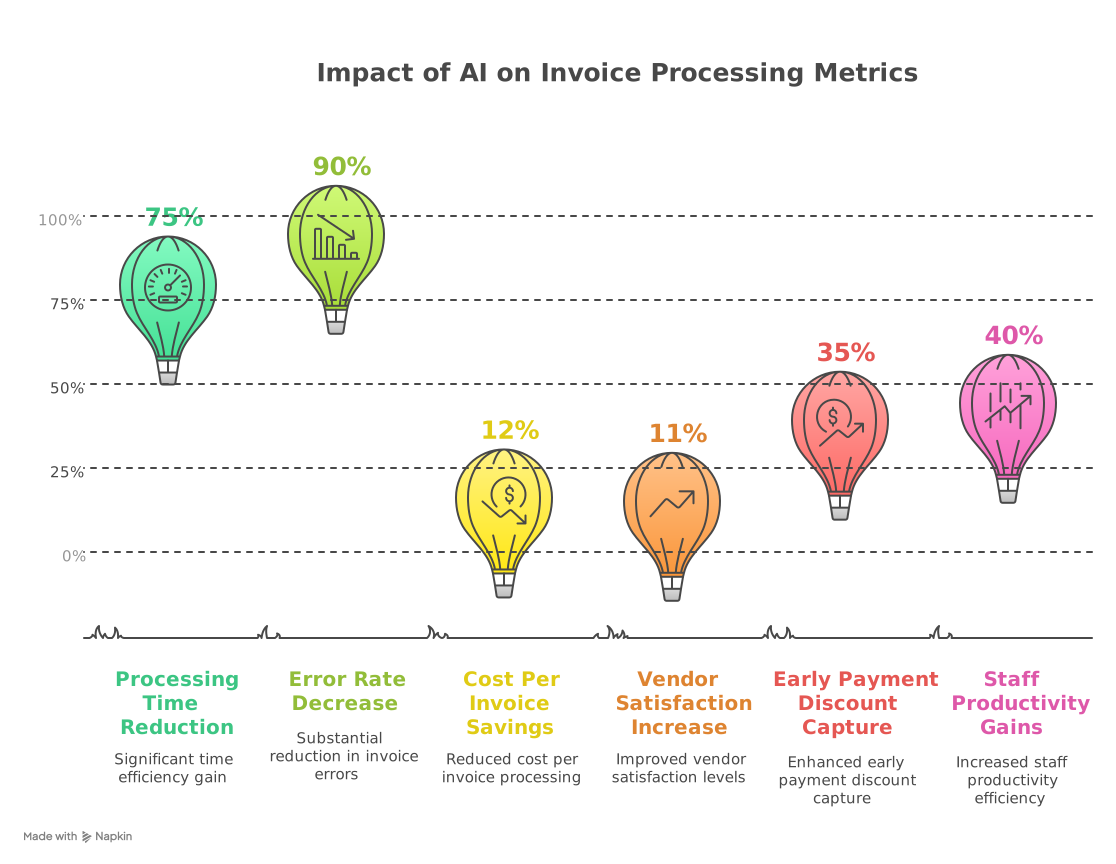
The implementation of Artificio's AI agent ecosystem for invoice processing delivers measurable improvements across multiple dimensions of accounts payable operations, creating value that extends throughout an organization's financial operations and broader business processes. Organizations that have deployed these solutions typically experience dramatic reductions in invoice processing times, with many reporting decreases of 70% to 90% in the time required to move invoices from receipt to payment approval. These time savings translate directly into operational efficiency gains, enabling accounts payable teams to handle significantly larger volumes of invoices without proportional increases in staffing requirements, while simultaneously improving the accuracy and consistency of processing outcomes.
The financial impact of reduced processing times extends beyond operational efficiency to encompass tangible cost savings through improved early payment discount capture and elimination of late payment penalties. Many organizations discover that their traditional manual processes inadvertently prevented them from taking advantage of early payment discounts offered by vendors, simply because invoices could not be processed and approved quickly enough to meet discount deadlines. With AI-powered automation enabling rapid processing and approval of routine invoices, organizations can strategically optimize their payment timing to maximize discount opportunities while maintaining appropriate cash flow management. This optimization can result in annual savings that more than justify the investment in automation technology.
Data accuracy improvements represent another significant source of value creation, with organizations typically experiencing error rate reductions of 80% to 95% compared to manual processing methods. These accuracy improvements have cascading effects throughout the organization, reducing the time and resources required for error correction, improving the reliability of financial reporting, and enhancing vendor relationships through reduced payment disputes and processing delays. The consistency and reliability of AI-powered processing also supports better cash flow forecasting and financial planning, as finance teams can rely on more predictable processing timelines and more accurate data for their analytical and planning activities.
The enhanced visibility and reporting capabilities enabled by AI-powered invoice processing provide finance leaders with unprecedented insights into their accounts payable operations, vendor relationships, and spending patterns. Real-time dashboards and analytics tools can identify trends, highlight potential issues, and provide actionable intelligence that supports strategic decision-making. This visibility extends to compliance monitoring and audit preparation, with automated systems maintaining comprehensive audit trails and documentation that simplify regulatory compliance and internal control validation processes.
Vendor relationship improvements represent an often-overlooked but highly valuable benefit of automated invoice processing. Vendors consistently report higher satisfaction levels when working with organizations that can process invoices quickly and accurately, leading to stronger partnerships, better pricing negotiations, and improved service levels. The reliability and predictability of automated processing also enables organizations to implement more sophisticated vendor payment strategies, such as dynamic discounting programs and supply chain financing initiatives that can create additional value for both parties.
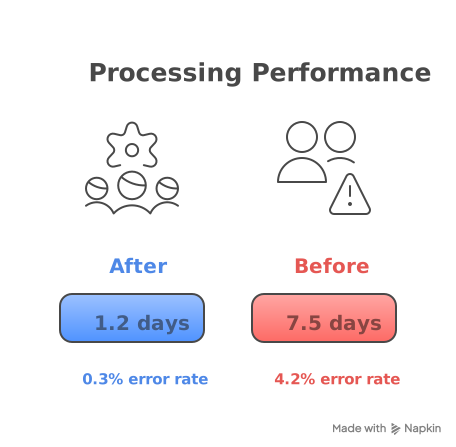
A mid-sized manufacturing company with annual revenues of approximately $500 million recently implemented Artificio's comprehensive AI agent solution to address persistent challenges in their accounts payable operations. Prior to implementation, the company's finance team was struggling to keep pace with their growing business, processing approximately 3,000 invoices monthly through a largely manual system that required an average of 7.5 days per invoice from receipt to payment. The manual process involved multiple touchpoints across different departments, with invoices frequently delayed due to approval bottlenecks, data entry errors, and the complexity of matching invoices to purchase orders and receiving documents.
The company's implementation began with a comprehensive assessment of their existing processes, system integrations, and specific business requirements. Artificio's team worked closely with the organization's finance, procurement, and IT departments to configure the AI agents to align with their established workflows while identifying opportunities for process improvements. The Document Intelligence Agent was trained on the company's specific vendor base and invoice formats, while the Workflow Optimization Agent was configured to work within their existing approval hierarchies and delegation structures. The ERP Integration Agent was customized to work seamlessly with their established enterprise resource planning system, ensuring that processed invoices would integrate smoothly with their existing financial reporting and accounting processes.
Within the first three months of implementation, the company began experiencing significant improvements in processing efficiency and accuracy. Invoice processing times dropped from an average of 7.5 days to 1.2 days, with routine invoices from established vendors often processed within hours of receipt. Data accuracy improved dramatically, with invoice entry errors decreasing by 92% compared to their previous manual processes. The Exception Resolution Agent proved particularly valuable in handling the complex three-way matching requirements common in manufacturing environments, successfully resolving 78% of potential discrepancies automatically while routing more complex issues to appropriate personnel with comprehensive context and recommended resolution strategies.
The financial impact of the implementation exceeded the company's initial projections, with annual cost savings of approximately $340,000 achieved through a combination of reduced processing costs, improved early payment discount capture, and elimination of late payment penalties. The company was able to redeploy two full-time accounts payable positions to more strategic activities, while the remaining team members reported significantly higher job satisfaction due to the elimination of repetitive, manual tasks. Vendor relationships improved measurably, with average payment times decreasing from 45 days to 28 days and vendor satisfaction scores increasing by 23% in post-implementation surveys.
The transformation of accounts payable operations through AI-powered automation represents more than a tactical improvement in processing efficiency; it signals a fundamental shift in how organizations approach financial operations and the role of technology in enabling strategic business objectives. As AI agents become increasingly sophisticated and capable of handling complex business logic and decision-making processes, organizations have the opportunity to reimagine their accounts payable functions as strategic enablers rather than necessary administrative overhead. This transformation enables finance teams to focus on higher-value activities such as vendor relationship management, cash flow optimization, and strategic analysis that directly contribute to business growth and competitive advantage.
The scalability inherent in AI-powered solutions provides organizations with the flexibility to handle business growth and operational complexity without proportional increases in administrative overhead. Unlike traditional approaches that require linear scaling of human resources to accommodate increased transaction volumes, AI agents can handle dramatic increases in invoice volumes with minimal additional investment. This scalability is particularly valuable for growing organizations, seasonal businesses, and companies experiencing rapid expansion through acquisitions or market development. The ability to maintain consistent processing quality and efficiency regardless of volume fluctuations provides a stable foundation for business growth and operational planning.
The continuous learning and improvement capabilities of AI agents ensure that the benefits of automation compound over time rather than diminishing through system obsolescence or changing business requirements. As these systems accumulate experience with an organization's specific processes, vendor relationships, and operational preferences, they become increasingly valuable strategic assets that embody institutional knowledge and best practices. This learning capability also enables organizations to adapt quickly to changing business conditions, regulatory requirements, and industry standards without requiring extensive system reconfiguration or retraining.
The integration of AI-powered accounts payable processing with other business systems and processes creates opportunities for comprehensive business intelligence and analytics that can inform strategic decision-making across the organization. Real-time visibility into spending patterns, vendor performance, and cash flow requirements enables more sophisticated financial planning and risk management strategies. The data quality and consistency provided by automated processing also supports advanced analytics initiatives, enabling organizations to identify cost savings opportunities, optimize vendor relationships, and improve overall financial performance through data-driven insights.
The evolution of accounts payable operations through AI-powered automation represents a critical opportunity for organizations to transform fundamental business processes while achieving measurable improvements in efficiency, accuracy, and strategic capability. Artificio's comprehensive AI agent ecosystem demonstrates that sophisticated automation technology can successfully address the complex, variable requirements of modern invoice processing while providing the flexibility and intelligence necessary to adapt to unique organizational needs and evolving business conditions.
The evidence from early implementations clearly indicates that organizations investing in AI-powered accounts payable solutions achieve significant returns on investment through reduced processing costs, improved accuracy, enhanced vendor relationships, and increased operational efficiency. More importantly, these solutions enable finance teams to evolve from reactive, administrative functions to strategic business partners capable of providing valuable insights and supporting growth initiatives. The transformation extends beyond the accounts payable department itself, creating value throughout the organization through improved cash flow management, better vendor relationships, and more reliable financial data for decision-making.
As artificial intelligence technology continues to advance and mature, organizations that embrace these solutions early will establish competitive advantages that compound over time through improved operational efficiency, better vendor relationships, and enhanced strategic capabilities. The question for business leaders is not whether AI will transform accounts payable operations, but rather how quickly organizations can adapt their processes and systems to capitalize on these transformative capabilities. The future of financial operations belongs to organizations that recognize the strategic value of intelligent automation and invest in solutions that enable their teams to focus on strategic, value-creating activities rather than routine administrative tasks.
The journey toward AI-powered accounts payable operations requires thoughtful planning, appropriate technology partnerships, and organizational commitment to change management and process improvement. However, the potential benefits – including dramatic improvements in efficiency, accuracy, and strategic capability – make this transformation not just an opportunity but a competitive necessity for organizations seeking to thrive in an increasingly complex and dynamic business environment. Organizations that act decisively to implement these solutions will position themselves for sustained success while establishing the foundation for continued innovation and growth in their financial operations.

Head IT Operations - Co Founder of Artificio
See it in your SAP environment
Bring us a document, a process, or a bottleneck. We'll show how Artificio captures, validates, and posts into SAP — then scale from there.
Security & compliance
ISO 27001:2013 certified, SOC 2 Type 2 compliant, GDPR and HIPAA ready. Every agent action is logged, auditable, and runs in isolated environments.