

Blog
AI in Logistics: Automating Docs, Boosting Strategy
AI transforms logistics, automating docs with Artificio. Freeing human capital for strategic focus & driving operational efficiency.

Blog
AI transforms logistics, automating docs with Artificio. Freeing human capital for strategic focus & driving operational efficiency.
The integration of artificial intelligence (AI) in logistics operations represents a paradigm shift in how organizations manage their supply chain processes. This paper examines the transformative impact of AI-driven automation on logistics operations, with a particular focus on how Artificio's AI-powered document processing platform enables organizations to redirect human capital toward strategic initiatives. Through comprehensive analysis of current industry practices and emerging trends, we demonstrate how AI automation of routine tasks leads to enhanced operational efficiency and improved strategic decision-making capabilities.
The logistics industry stands at a crucial intersection of technological innovation and operational necessity. As global supply chains grow increasingly complex, organizations face mounting pressure to optimize their operations while maintaining accuracy and compliance. Traditional manual processes for handling documentation, data entry, and routine decision-making not only consume valuable human resources but also introduce the potential for errors and inefficiencies. The emergence of sophisticated AI solutions, particularly in document processing and data extraction, presents an opportunity to fundamentally reshape how logistics operations are managed.
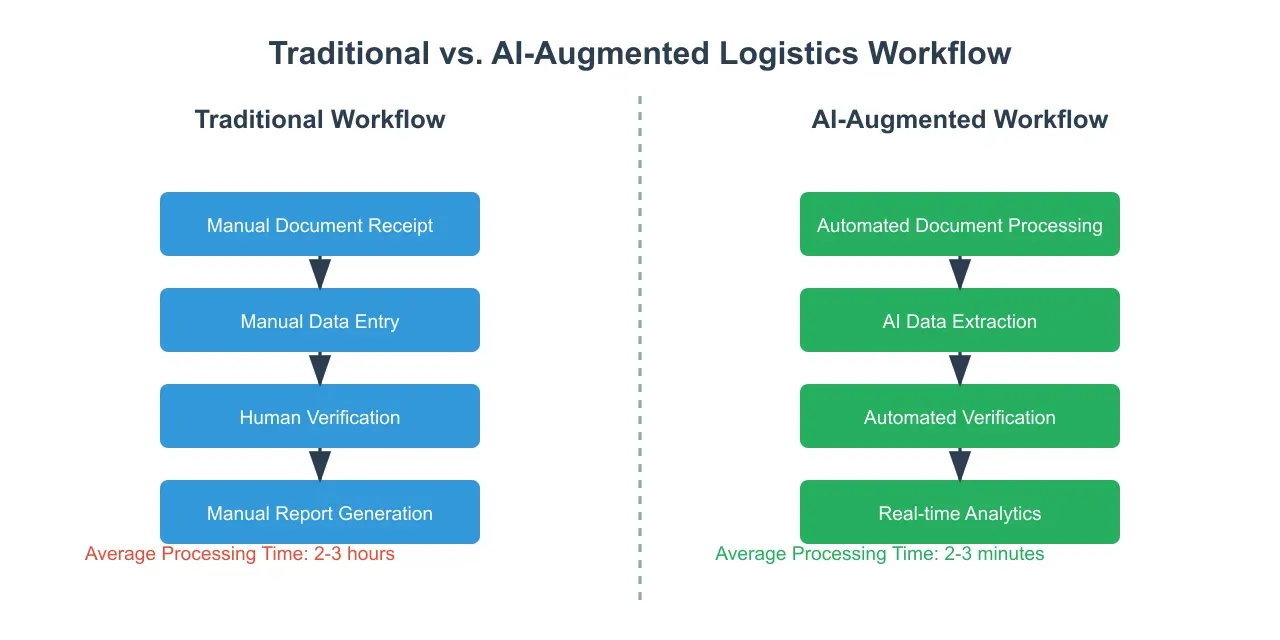
In this context, platforms like Artificio have emerged as crucial enablers of this transformation. By leveraging advanced machine learning algorithms for automated document processing, these solutions address a fundamental challenge in logistics operations: the allocation of human resources to high-value activities. This paper explores how AI-driven automation of routine tasks creates opportunities for employees to engage in more strategic, value-adding activities that drive business growth and innovation.
Traditional logistics operations have long been characterized by labor-intensive processes requiring significant manual intervention. Document processing, in particular, represents a substantial burden on operational efficiency. Consider the typical workflow for processing shipping documentation:
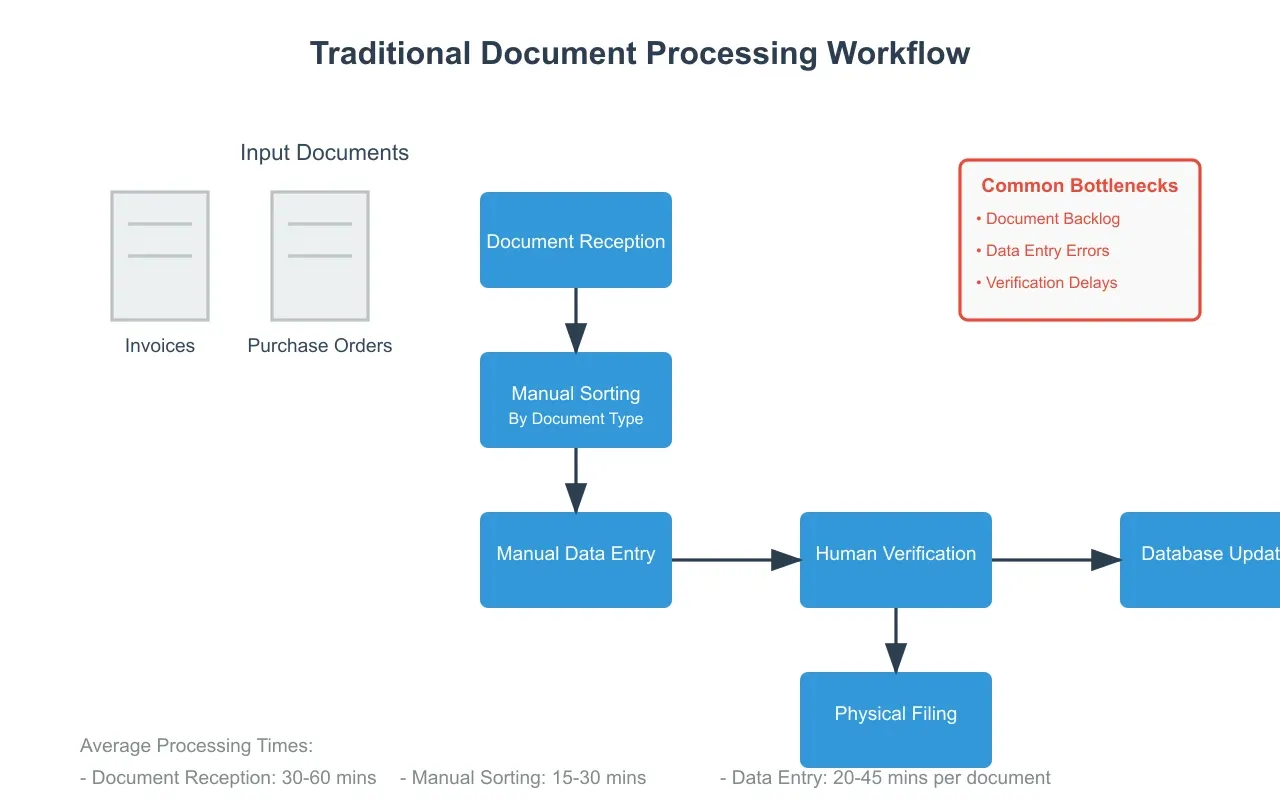
These processes, while necessary, traditionally consume up to 60% of logistics professionals' time, according to recent industry studies. This significant time investment in routine tasks creates several operational challenges:
The impact of these challenges extends beyond mere operational inefficiencies, affecting an organization's competitive position and ability to innovate in an increasingly dynamic market environment.
The integration of AI-powered document processing systems represents a fundamental shift in how logistics organizations handle information flow. At the core of this transformation lies the ability of modern AI systems, such as Artificio, to understand, extract, and process information from diverse document types with unprecedented accuracy and speed. This capability extends far beyond simple optical character recognition (OCR), encompassing sophisticated natural language processing and machine learning algorithms that can interpret context, identify patterns, and adapt to variations in document formats.
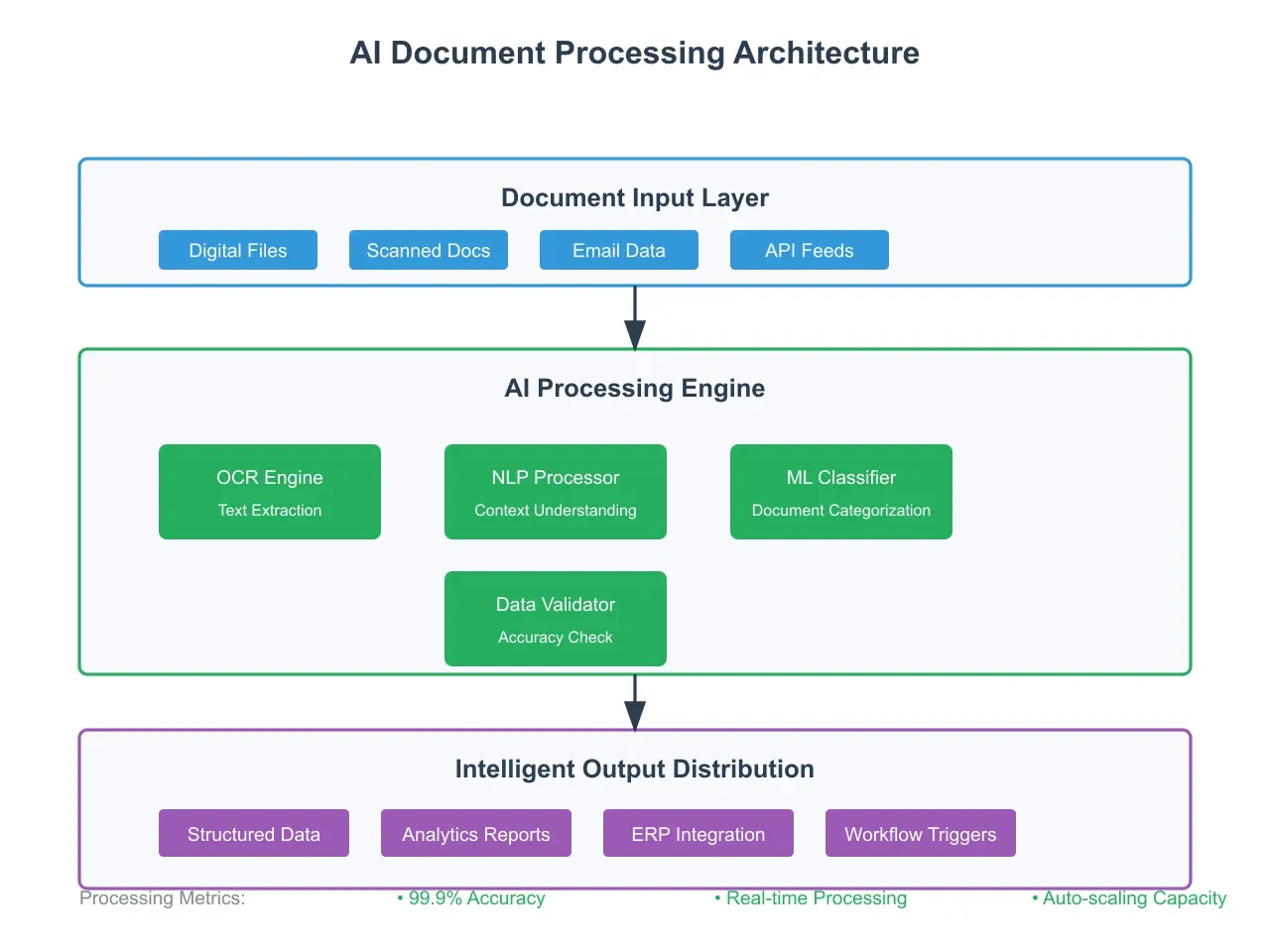
Modern AI systems demonstrate remarkable capabilities in handling complex documentation requirements. For instance, Artificio's platform can simultaneously process multiple document types, including:
Shipping manifests and bills of lading, where the system automatically extracts crucial details such as container numbers, vessel information, and port data while maintaining contextual relationships between different data points. Purchase orders and invoices, where the AI cross-references information to ensure accuracy and completeness while flagging discrepancies for human review. Customs documentation, where the system verifies compliance requirements across different jurisdictions and ensures all necessary fields are properly populated.
The sophistication of these systems lies in their ability to learn from experience and improve their accuracy over time. Through continuous learning algorithms, the AI system builds increasingly refined models of document interpretation, leading to enhanced accuracy rates that typically exceed 95% after initial training periods.
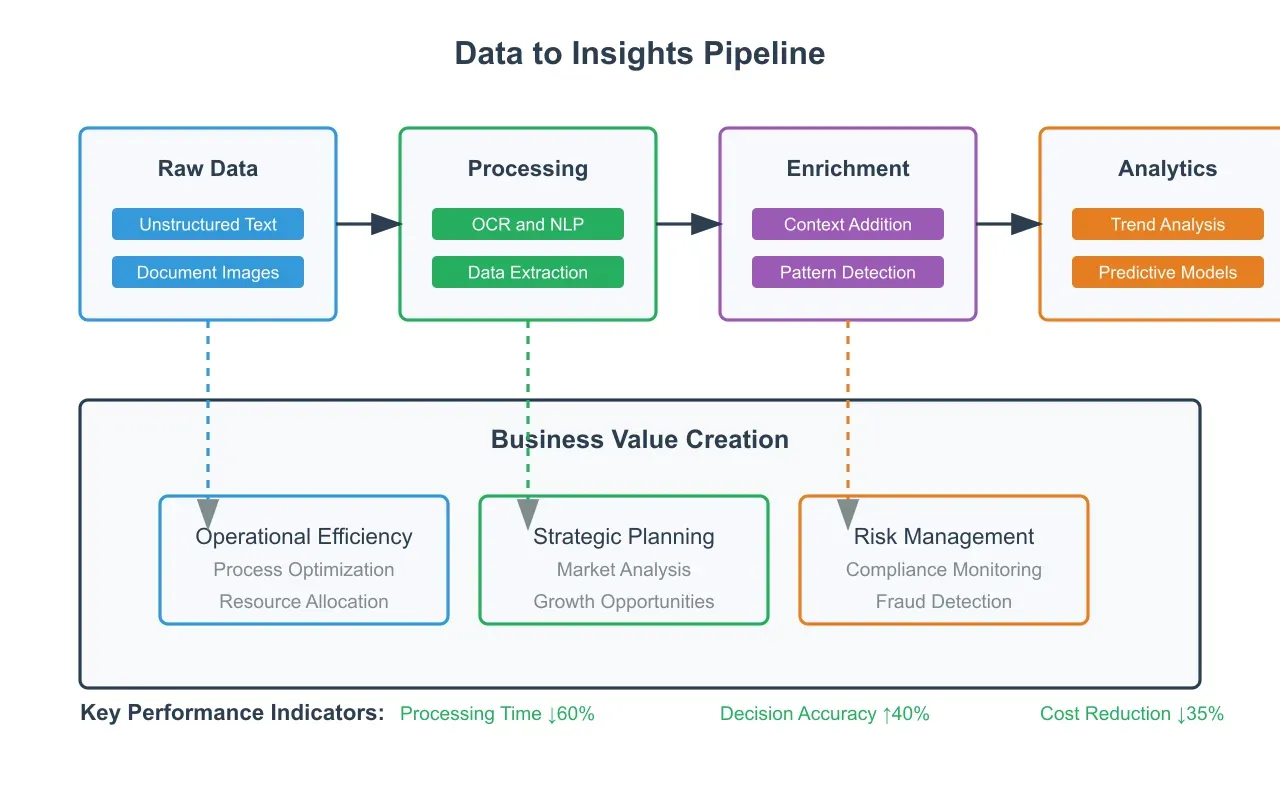
The true value of AI-powered document processing extends beyond mere automation of data extraction. These systems create a foundation for advanced analytics and strategic decision-making by:
Converting unstructured document data into structured, analyzable formats that can be integrated with existing business intelligence systems. Identifying patterns and trends across large volumes of documentation that might be impossible to detect through manual review. Generating real-time insights that enable proactive decision-making rather than reactive responses to operational challenges.
While AI systems excel at processing routine documentation and extracting data, human expertise remains crucial for higher-order decision-making and strategic planning. The implementation of AI-powered document processing creates opportunities for logistics professionals to focus on activities that truly require human judgment and creativity. This shift in focus encompasses several key areas:
Strategic relationship management with key stakeholders, where professionals can dedicate more time to understanding and addressing complex client needs. Supply chain optimization, where human experts can analyze AI-generated insights to identify opportunities for efficiency improvements and risk mitigation. Innovation and process improvement, where professionals can leverage their industry expertise to guide the development and refinement of AI systems and operational procedures.
Research indicates that organizations implementing AI-powered document processing solutions typically see a 40-60% reduction in time spent on routine documentation tasks. This freed capacity allows organizations to reallocate human resources to strategic initiatives that drive business growth and competitive advantage.
The successful integration of AI-powered document processing systems requires a carefully orchestrated approach that addresses both technical and organizational considerations. Organizations must navigate the complex landscape of change management while ensuring that AI implementation aligns with strategic objectives and operational requirements.
Successful implementation of AI document processing solutions follows a systematic approach that encompasses multiple phases of organizational transformation. The process begins with a comprehensive assessment of current operations, followed by staged implementation that allows for continuous refinement and optimization. Organizations utilizing Artificio's platform typically follow a structured implementation pathway that ensures maximum value realization while minimizing operational disruption.
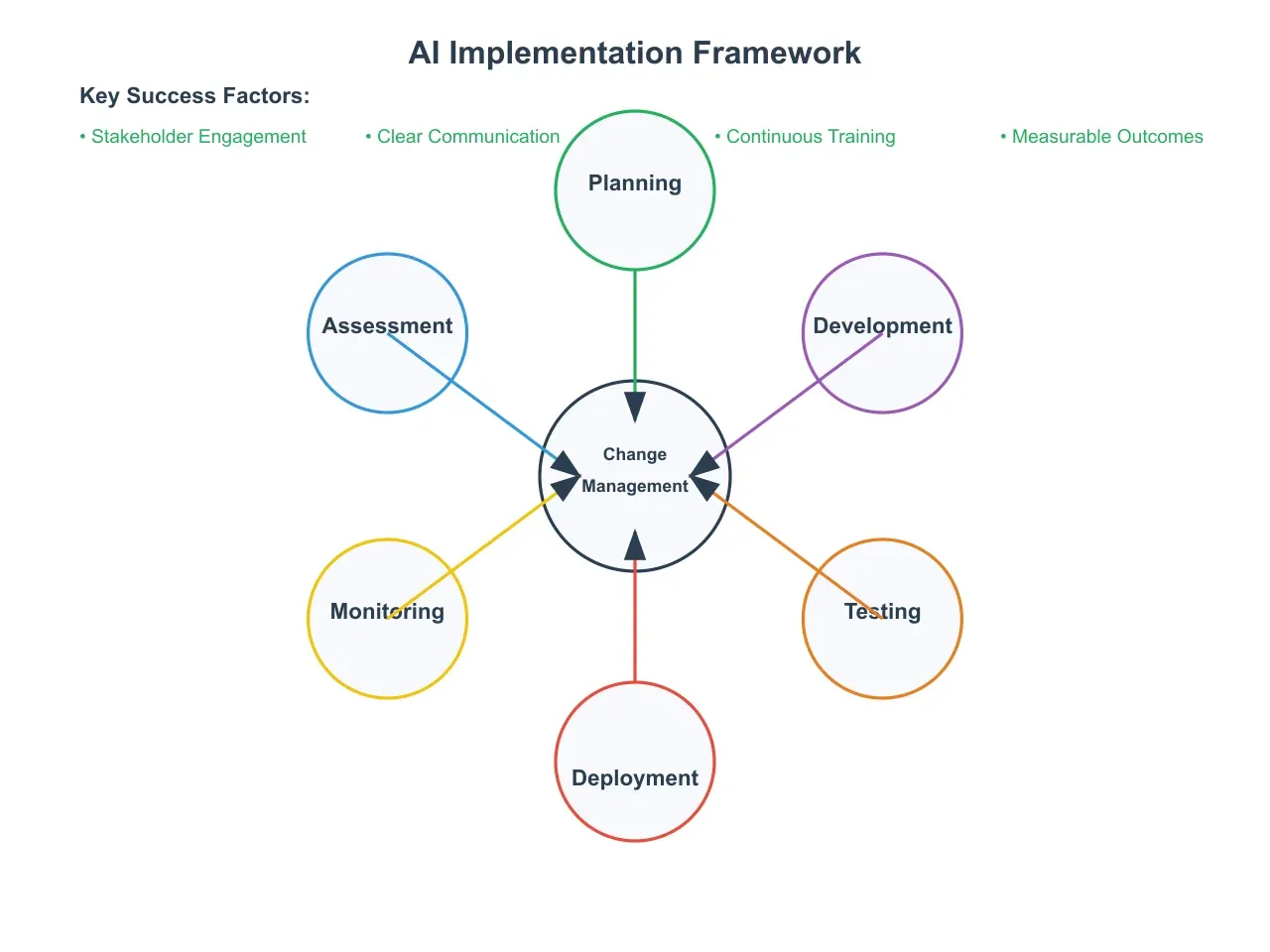
The implementation process involves several critical components that must be carefully managed. Initially, organizations must conduct thorough process mapping to identify document-intensive workflows that can benefit from automation. This is followed by data preparation and system training, where historical documentation is used to train the AI models for specific organizational requirements. The implementation team must also establish clear metrics for success and monitoring protocols to ensure system performance meets organizational needs.
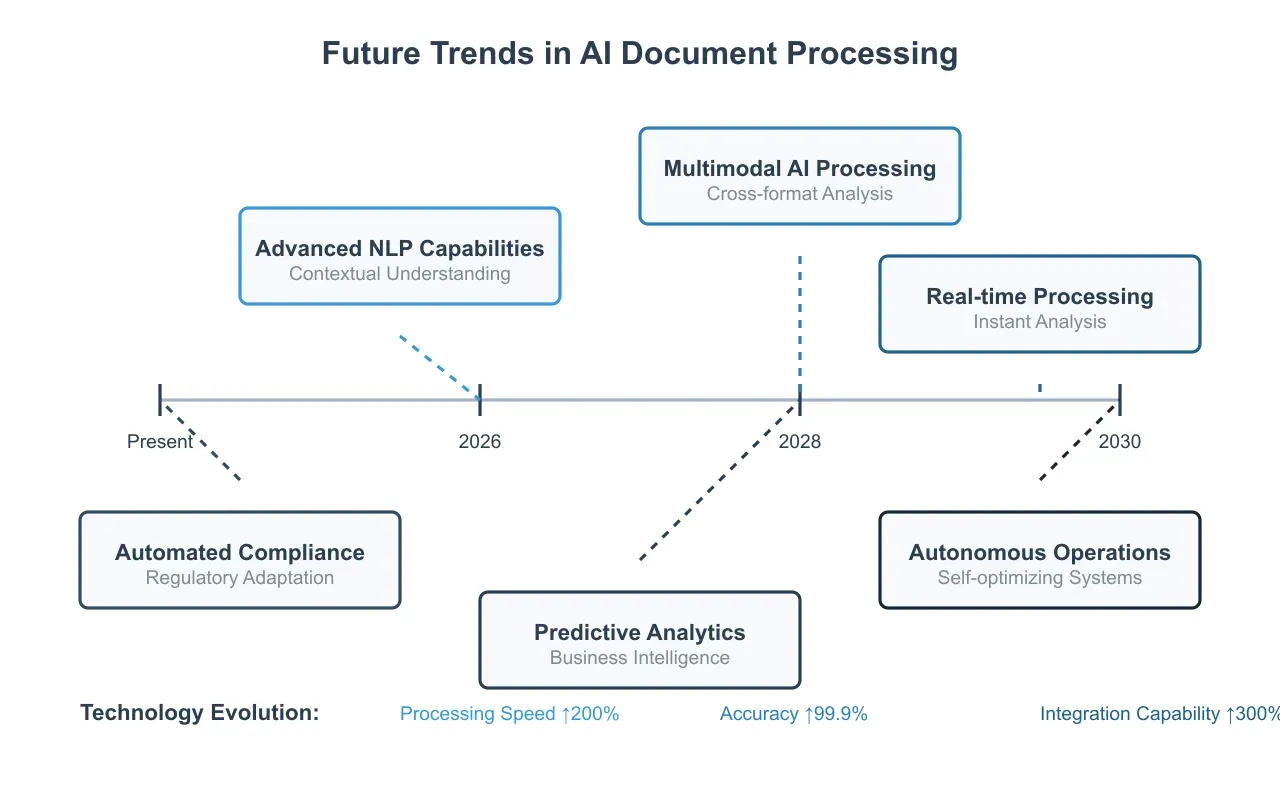
The impact of AI implementation in logistics document processing can be measured across multiple dimensions. Organizations implementing comprehensive AI solutions typically observe several key performance improvements:
Processing Time Reduction: Average document processing times decrease by 70-80%, with some routine documents being processed in near real-time. Error Rate Reduction: Manual data entry errors are typically reduced by 95%, with AI systems maintaining consistent accuracy rates above 98% after initial training periods. Cost Efficiency: Organizations report average cost savings of 45-60% in document processing operations, accounting for both direct labor costs and error-related expenses.
Perhaps the most significant impact of AI implementation is the transformation of employee roles and responsibilities. By automating routine document processing tasks, organizations create opportunities for employees to engage in higher-value activities that drive strategic advantage. Research indicates that organizations successfully implementing AI document processing solutions experience several positive outcomes in workforce engagement and productivity:
Professional Development: Employees report increased satisfaction from engaging in strategic planning and analysis rather than routine data entry. Innovation Capacity: Teams demonstrate enhanced ability to identify and implement process improvements when freed from routine documentation tasks. Client Relationship Management: Customer satisfaction scores improve as staff can dedicate more time to understanding and addressing complex client needs.
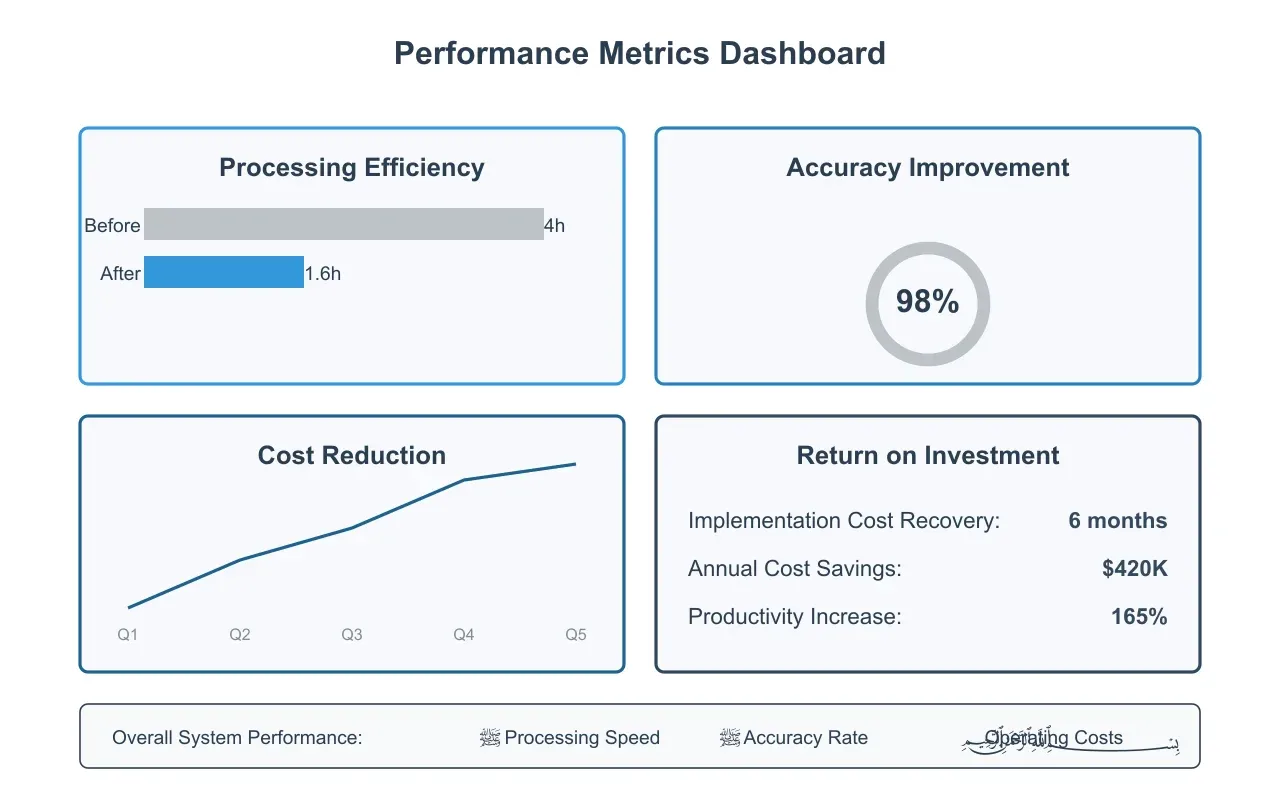
The evolution of AI technology continues to expand the possibilities for automation and optimization in logistics operations. As these systems become more sophisticated, organizations must prepare for an operational environment where AI handles an increasingly broad range of routine tasks, allowing human professionals to focus on strategic decision-making and relationship management.
Several emerging trends suggest the continued evolution of AI capabilities in logistics document processing:
Advanced Natural Language Processing: Next-generation AI systems will demonstrate enhanced ability to understand context and nuance in complex documentation. Predictive Analytics Integration: AI document processing systems will increasingly incorporate predictive capabilities, helping organizations anticipate and address potential issues before they arise. Cross-Platform Integration: Enhanced integration capabilities will allow for seamless data flow between different operational systems and platforms.
The implementation of AI-powered document processing solutions represents a fundamental shift in how logistics organizations manage information and allocate human resources. By automating routine documentation tasks, organizations can redirect valuable human capital toward strategic initiatives that drive growth and innovation. The success of platforms like Artificio in transforming document processing operations demonstrates the significant potential of AI technology to enhance operational efficiency while enabling human professionals to focus on high-value activities.
As the logistics industry continues to evolve, organizations that successfully leverage AI technology for routine task automation will gain significant competitive advantages. The key to success lies not merely in the implementation of AI systems but in the strategic reallocation of human resources to activities that drive organizational value. Through careful planning, systematic implementation, and ongoing optimization, organizations can create an operational environment where technology and human expertise combine to deliver superior results.

Head IT Operations - Co Founder of Artificio
See it in your SAP environment
Bring us a document, a process, or a bottleneck. We'll show how Artificio captures, validates, and posts into SAP — then scale from there.
Security & compliance
ISO 27001:2013 certified, SOC 2 Type 2 compliant, GDPR and HIPAA ready. Every agent action is logged, auditable, and runs in isolated environments.