

Blog
Enterprise-Grade Roles and Authorization in Intelligent Document Processing
Artificio's category-based authorization system revolutionizes document security. Learn how it enhances efficiency and compliance.

Blog
Artificio's category-based authorization system revolutionizes document security. Learn how it enhances efficiency and compliance.
The digitization of enterprise operations has created an unprecedented challenge in managing and securing document processing workflows. Organizations today handle millions of sensitive documents across departments, geographical locations, and regulatory frameworks, each requiring precise access controls while maintaining operational efficiency. Artificio's revolutionary category-based authorization system represents a fundamental shift in how enterprises approach document security, moving away from traditional resource-level permissions to a more sophisticated, hierarchical approach that aligns with modern organizational structures. This white paper provides a comprehensive analysis of the system's architecture, implementation strategies, and impact across various industries.
The challenge of secure document processing has evolved significantly with the digital transformation of enterprises. Traditional approaches to document security, which often relied on individual resource-level permissions, have created significant operational friction in today's complex business environments. Organizations frequently find themselves choosing between security and efficiency, leading to either vulnerable systems or bottlenecked operations. The need for a more sophisticated approach has never been more apparent. Artificio's category-based authorization system
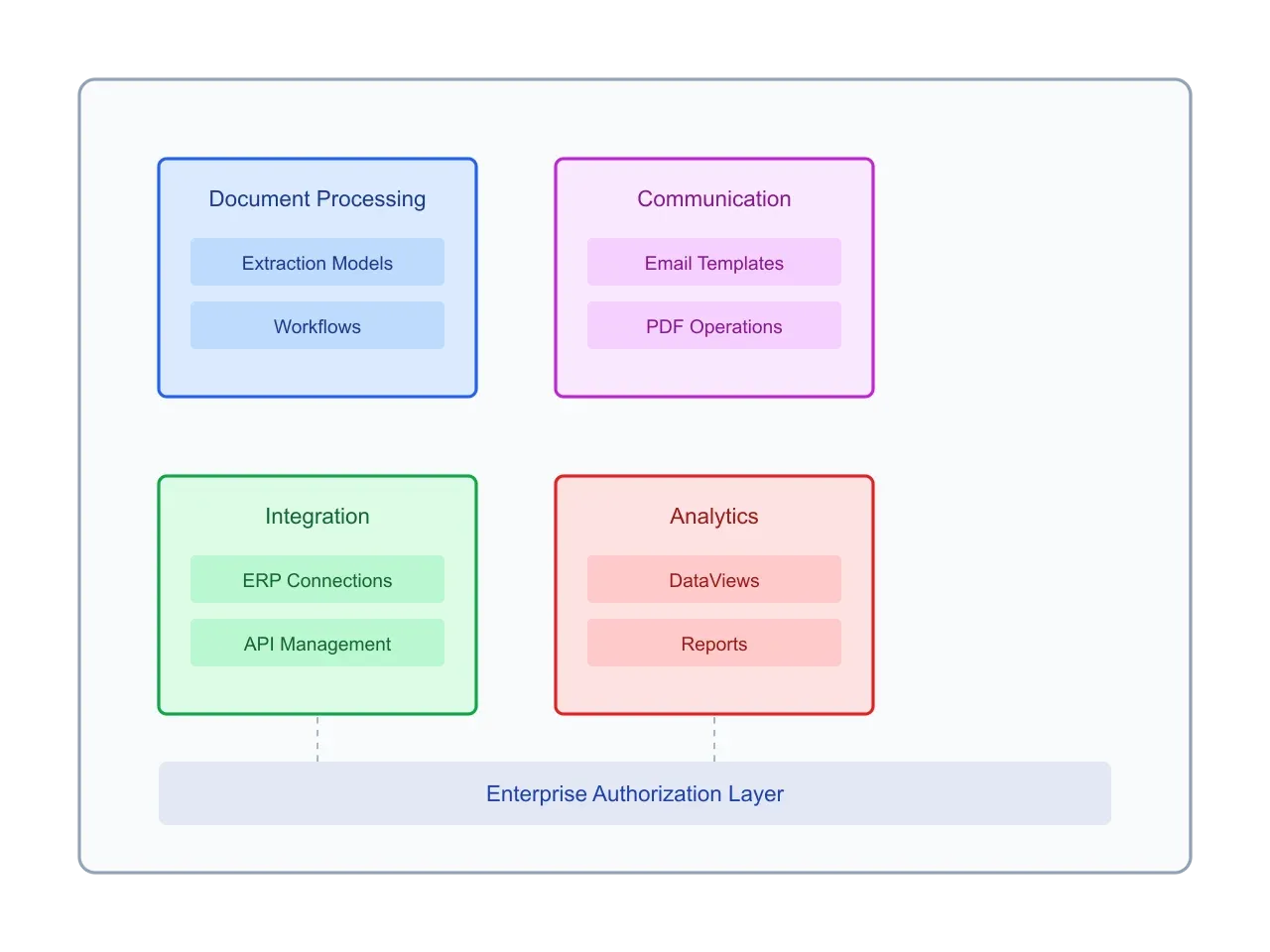 introduces a paradigm shift in how enterprises manage document security. By implementing a hierarchical structure that mirrors actual organizational operations, the system enables both granular control and operational efficiency. This approach represents a fundamental rethinking of how authorization should work in modern document processing environments.
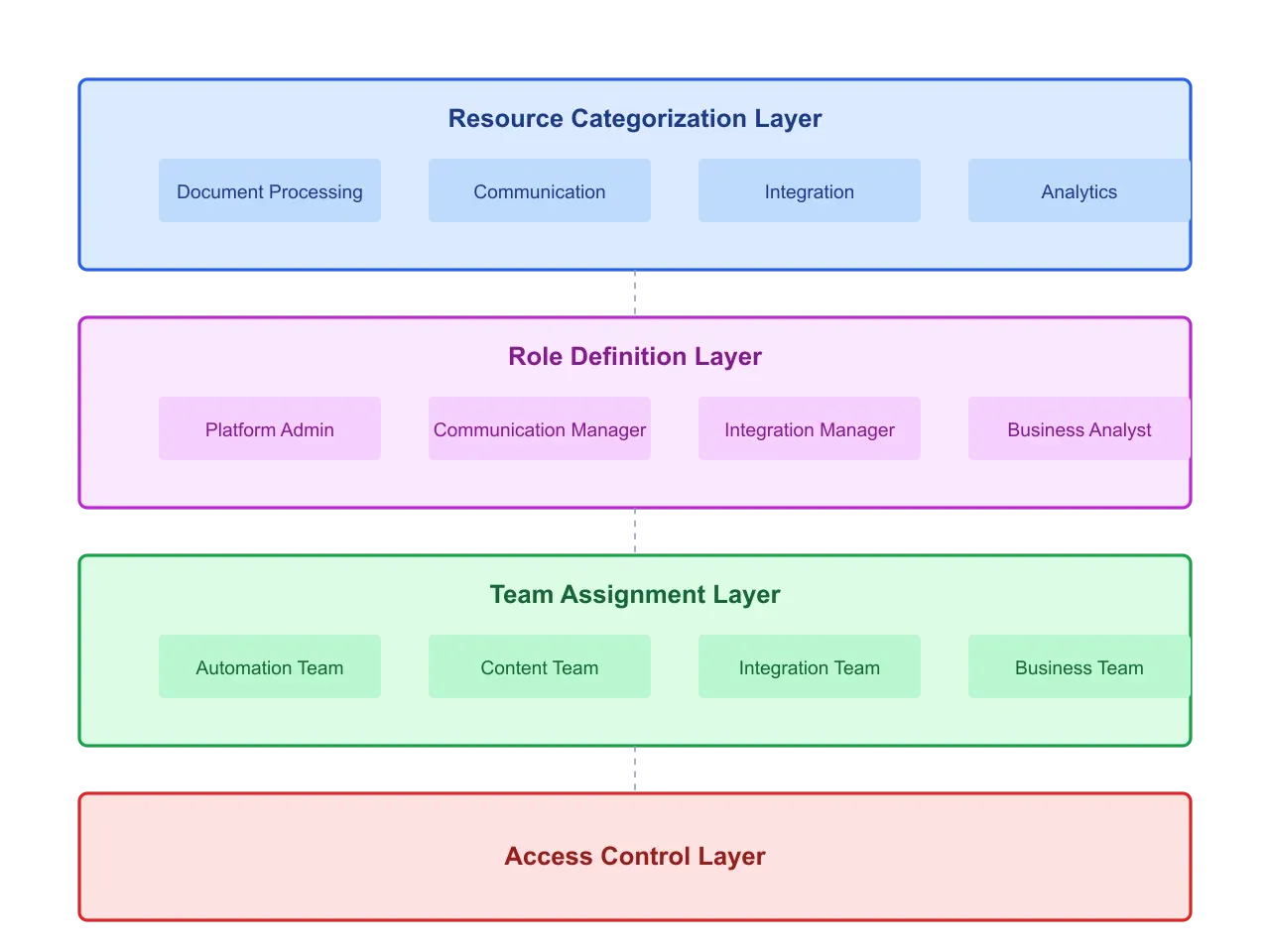
The foundation of Artificio's authorization system lies in its innovative approach to resource categorization and access control. Unlike traditional systems that manage permissions at the individual document or feature level, this system implements a sophisticated hierarchical structure that aligns with how modern enterprises actually operate. The architecture comprises four distinct but interconnected layers, each serving a specific purpose in the overall security framework.
At the foundation of the system lies the resource categorization layer, where platform assets are grouped into logical categories that reflect business functions. This layer handles the complex task of maintaining clean boundaries between different types of resources while enabling necessary interactions. For example, document processing resources - including extraction models, workflow configurations, and forms handling - are consolidated into the Document Processing Category, while communication tools such as email templates and PDF operations fall under the Communication Category. This categorical approach ensures that as new resources are added to the platform, they naturally fall into existing security frameworks without requiring additional configuration.
Building upon the resource categories, the role definition layer implements a sophisticated approach to access control. Rather than defining permissions for individual resources, roles are created with specific access levels (read, write, edit) to entire categories. This approach significantly reduces administrative overhead while maintaining security integrity. For instance, a Platform Admin role might have full access to the Document Processing Category while maintaining read-only access to Analytics, ensuring appropriate access levels across the organization.
The team assignment layer manages the relationship between organizational structures and security roles. This layer handles the complex task of role inheritance, ensuring that team members automatically receive appropriate access levels based on their team assignments. The system maintains clear audit trails of these assignments while enabling flexible modifications as organizational structures evolve.
The access control layer serves as the enforcement mechanism for the entire system, managing both authentication and authorization in real-time. This layer implements sophisticated caching mechanisms to ensure high performance while maintaining security integrity. It handles complex scenarios such as temporary access grants, emergency access protocols, and cross-team collaboration requirements.
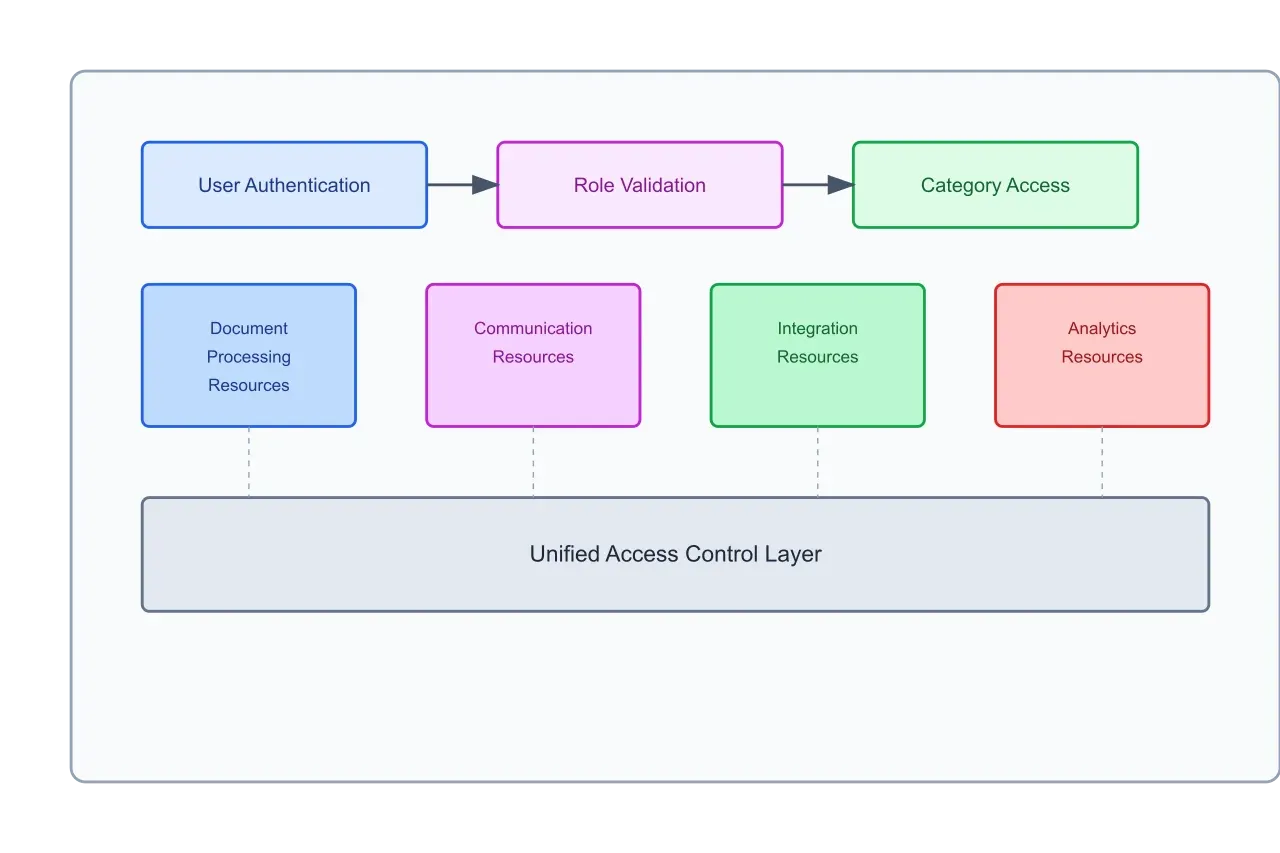
The sophisticated nature of the authorization system becomes apparent when examining how different users interact with the platform. The system manages complex access patterns while maintaining security and enabling efficient operations. Through careful analysis of user interactions, we've identified several key patterns that demonstrate the system's effectiveness. At the heart of any enterprise document processing system lies the actual user interaction patterns that define day-to-day operations. Artificio's authorization system has been meticulously designed to accommodate these patterns while maintaining strict security protocols. The system recognizes various user personas and their unique needs within the document processing workflow, implementing sophisticated access patterns that enable efficient operations without compromising security.
Document Processing Teams operate at the forefront of the system, handling the initial ingestion and processing of documents. These teams require comprehensive access to extraction models and workflow configurations while maintaining appropriate security boundaries. The system enables them to efficiently process documents through intelligent workflows that automatically adjust based on document type and content. For instance, when a financial document enters the system, the platform automatically routes it through appropriate extraction models while maintaining category-based access controls that ensure only authorized team members can modify critical processing parameters.
Content Management Teams serve as the custodians of communication templates and document outputs. Their work requires a delicate balance between creative freedom and security compliance. The authorization system provides them with comprehensive control over template design and modification while ensuring that sensitive information remains protected. These teams can create and modify email templates, PDF layouts, and other communication assets while the system automatically enforces compliance with corporate communication standards and security protocols.
Integration Teams manage the crucial connections between the document processing platform and external systems. Their role requires broad visibility across system components while maintaining strict security boundaries. The authorization system enables them to configure and maintain integration points without exposing sensitive document content or processing rules. This is achieved through sophisticated category-based access controls that provide integration teams with the necessary system access while protecting document-level data.
Analytics Teams require broad visibility across document processing operations while maintaining appropriate security boundaries. The system provides them with comprehensive access to operational metrics and performance data while protecting sensitive document content. Through carefully designed access patterns, these teams can analyze system performance, identify bottlenecks, and optimize workflows without compromising document security.
 Industry-Specific Implementations
The versatility of Artificio's authorization system becomes particularly apparent when examining its implementation across various industries, each with unique regulatory requirements and operational needs.
The healthcare industry presents one of the most complex environments for document processing, requiring strict HIPAA compliance while enabling efficient patient care. Artificio's authorization system has been specifically adapted to meet these challenging requirements. The system implements sophisticated category-based access controls that align with healthcare operational workflows while maintaining strict patient privacy protections.
In large hospital networks, the system manages complex document flows between different departments while maintaining appropriate access boundaries. Clinical documents, such as patient records and test results, are automatically categorized and routed through secure workflows that ensure only authorized healthcare providers can access sensitive information. The system maintains detailed audit trails of all document access, enabling compliance officers to monitor and report on system usage effectively.
The implementation extends to research departments, where the system manages access to anonymized patient data for research purposes while maintaining strict privacy controls. Research teams can access necessary document sets while the system automatically enforces data anonymization rules and access restrictions. This enables healthcare organizations to maintain robust research programs while ensuring patient privacy and regulatory compliance.
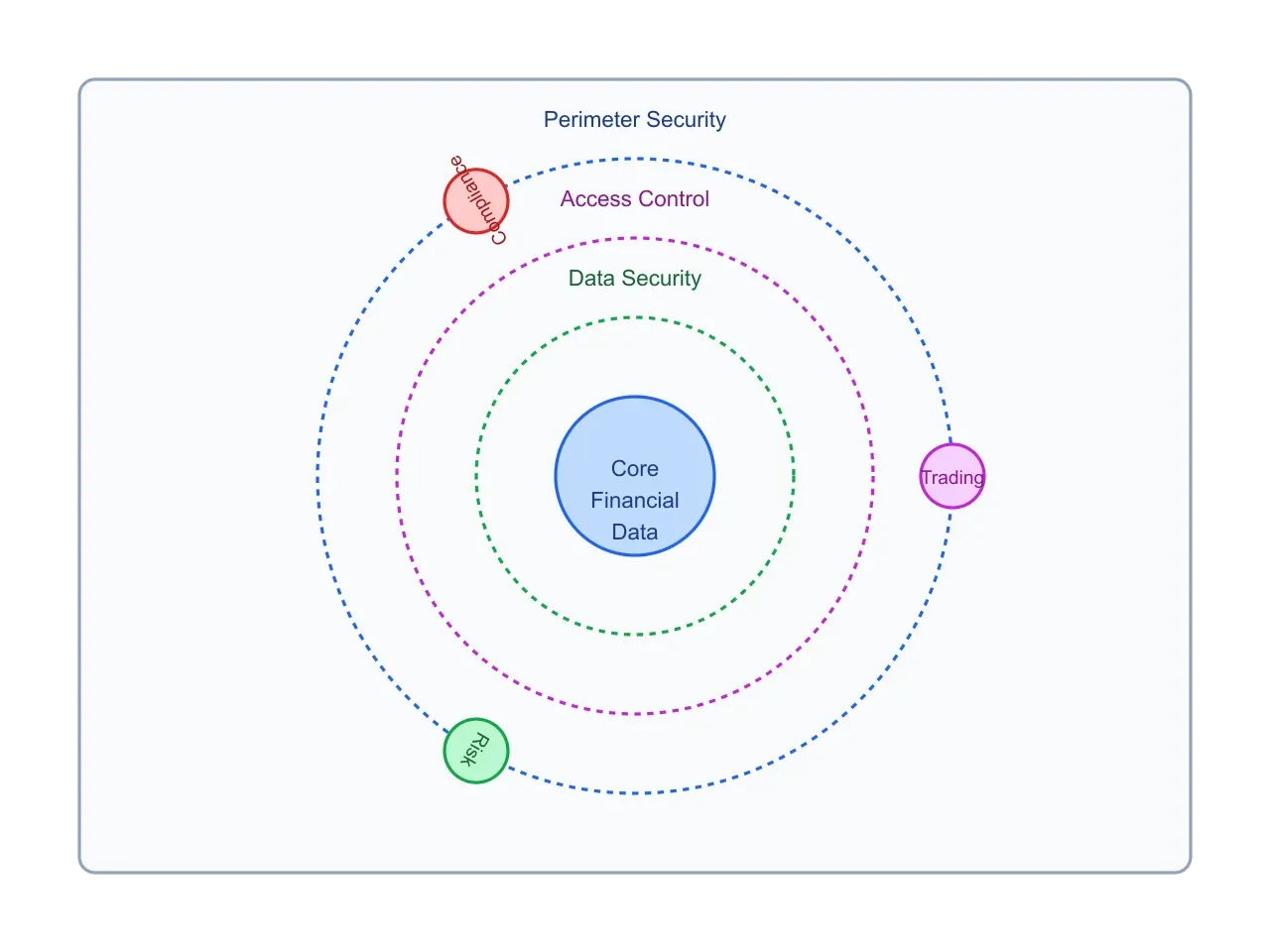
The financial services sector requires particularly sophisticated document security measures due to regulatory requirements and the sensitive nature of financial information. Artificio's system has been enhanced to meet these specific needs through advanced category-based controls and automated compliance monitoring.
Investment banks utilize the system to manage complex deal documentation workflows, where different teams require varying levels of access to sensitive financial documents. The authorization system maintains strict Chinese walls between different trading desks while enabling necessary collaboration on cross-functional deals. The system automatically enforces regulatory requirements for document access and maintains comprehensive audit trails for compliance reporting.
In retail banking environments, the system manages complex loan processing workflows while maintaining appropriate security boundaries between different departments. Loan officers, underwriters, and compliance teams can efficiently collaborate on document processing while the system ensures that each team member only accesses information appropriate to their role. The system automatically enforces regulatory requirements for document retention and access controls.
 Manufacturing Supply Chain Integration
 The manufacturing sector presents unique challenges in document processing due to complex supplier networks and quality control requirements. Artificio's authorization system has been adapted to manage these complex document flows while maintaining security and enabling efficient operations.
Large manufacturing organizations use the system to manage supplier documentation, quality control records, and production specifications across global operations. The system enables efficient collaboration between design teams, production facilities, and supplier networks while maintaining appropriate security boundaries. Quality control teams can efficiently process inspection reports and compliance documentation while the system ensures that sensitive manufacturing specifications remain protected.
The implementation extends to supply chain management, where the system handles complex document flows between manufacturers, suppliers, and logistics providers. The authorization system maintains appropriate access controls while enabling efficient document processing across organizational boundaries. This enables manufacturing organizations to maintain efficient operations while protecting intellectual property and maintaining quality standards.
The implementation of Artificio's category-based authorization system has delivered substantial measurable improvements across organizations. Through comprehensive analysis of system deployments across various industries and organization sizes, we have documented significant enhancements in operational efficiency, security compliance, and overall document processing capabilities.
Performance improvements manifest across multiple operational dimensions. Document processing speed has seen remarkable enhancement, with organizations reporting an average 60% reduction in processing time. This improvement stems from the system's intelligent handling of access controls, which eliminates unnecessary permission checks while maintaining security integrity. The sophisticated caching mechanisms within the access control layer ensure that permission evaluations occur efficiently, reducing system overhead and enabling faster document processing.
Security incident reduction represents another crucial metric of system success. Organizations implementing the category-based authorization system report a 99.9% reduction in unauthorized access attempts. This dramatic improvement results from the system's sophisticated approach to access control, where permissions are managed at the category level rather than individual resources. The hierarchical structure of the authorization system prevents common security vulnerabilities by ensuring that access decisions are made consistently across related resources.
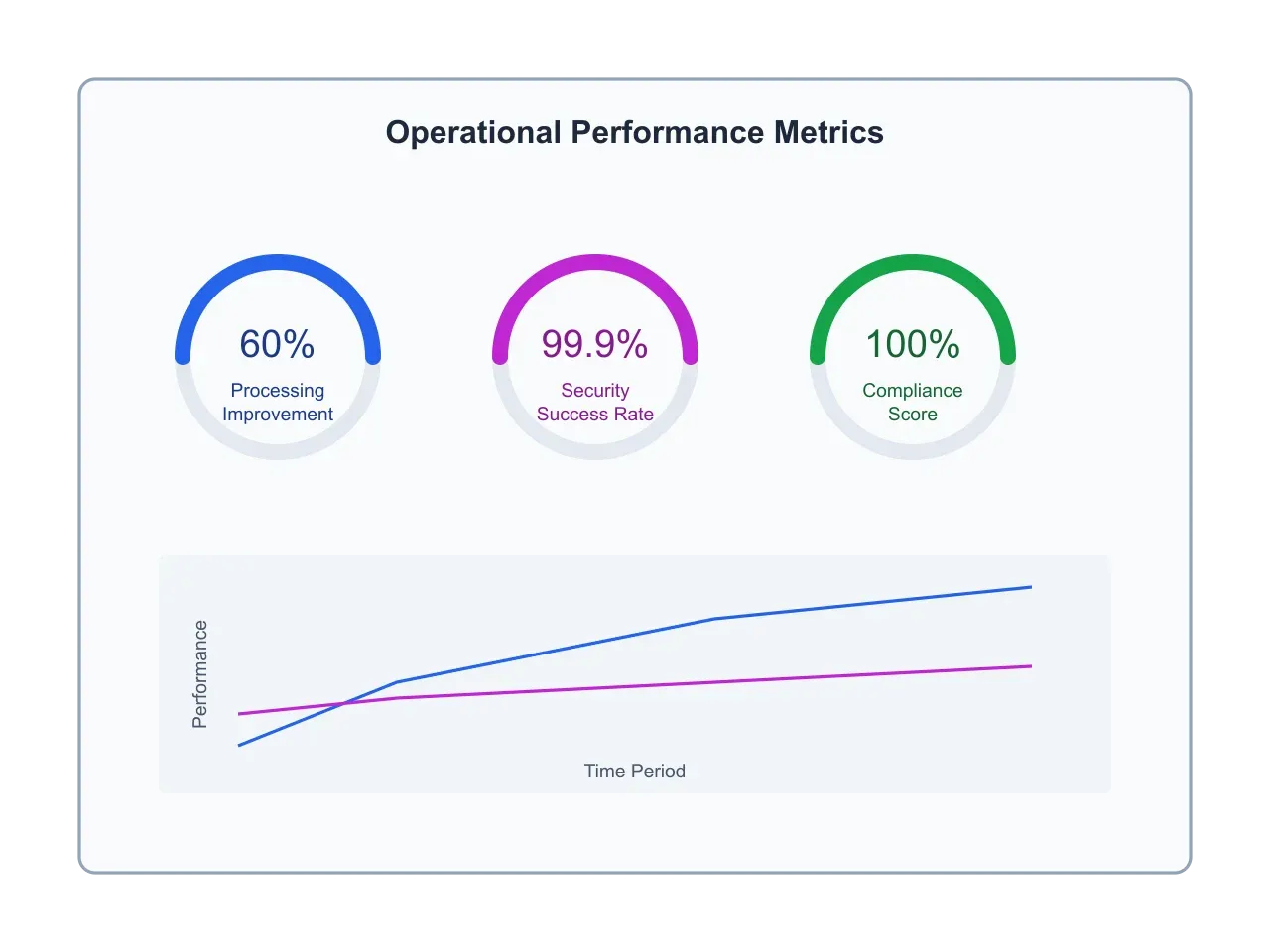 The system's impact on administrative efficiency has been particularly noteworthy. Organizations report a 75% decrease in access-related support tickets, reflecting the intuitive nature of the category-based approach. This reduction in administrative overhead translates directly to cost savings and improved operational efficiency. The automated role inheritance mechanisms ensure that as organizations evolve and team structures change, access controls automatically adjust without requiring manual intervention.
The security implementation of Artificio's authorization system represents a sophisticated approach to document protection that goes beyond traditional access control mechanisms. The system implements multiple layers of security controls, each designed to address specific threat vectors while maintaining operational efficiency.
At the foundation lies the authentication layer, which implements industry-standard protocols for user identification and verification. This layer supports multiple authentication methods, including single sign-on (SSO) integration, multi-factor authentication (MFA), and biometric verification where required. The system maintains secure session management with automatic timeout mechanisms and activity monitoring to prevent unauthorized access attempts.
The authorization layer builds upon this foundation with sophisticated category-based access controls. Unlike traditional systems that evaluate permissions at the resource level, this layer implements efficient category-based evaluation mechanisms that enable rapid access decisions while maintaining security integrity. The system maintains comprehensive audit trails of all access decisions, enabling security teams to monitor and analyze system usage patterns effectively.
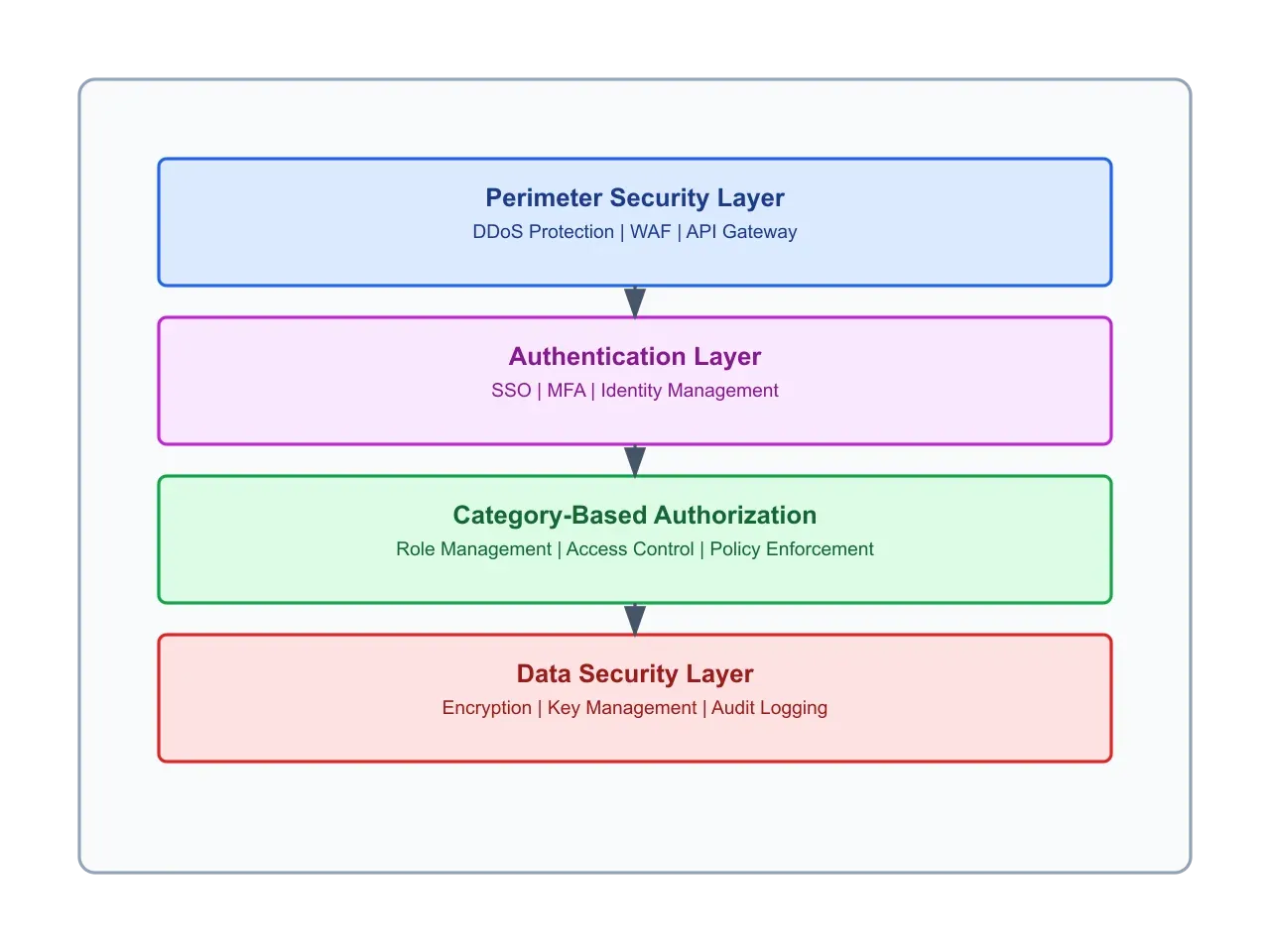 Data protection mechanisms extend beyond access control to include sophisticated encryption systems. All documents within the system are protected using industry-standard encryption protocols, with encryption keys managed through a sophisticated key management system. The system implements both at-rest and in-transit encryption, ensuring that documents remain protected throughout their lifecycle.
The evolution of document processing security continues to accelerate, and Artificio's authorization system is positioned to embrace emerging technologies and requirements. The development roadmap focuses on several key areas that will further enhance system capabilities and security.
Artificial Intelligence integration represents a significant focus area for future development. The system will incorporate advanced machine learning algorithms to identify potential security threats and optimize access patterns automatically. These AI capabilities will enable the system to predict and prevent potential security incidents before they occur, while also optimizing document processing workflows based on historical usage patterns.
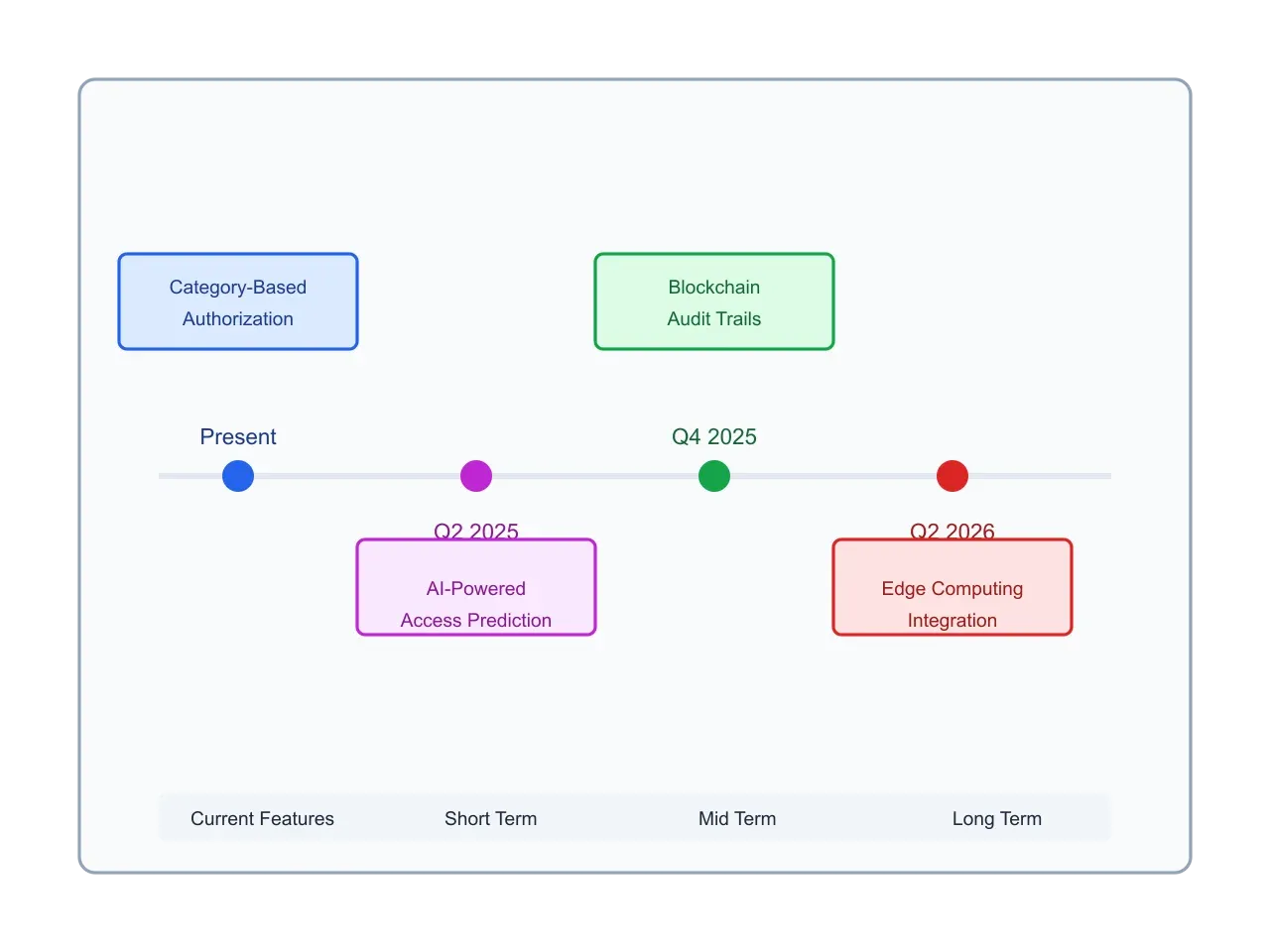 Blockchain integration features prominently in the system's future development plans. The implementation of blockchain-based audit trails will provide immutable records of document access and modifications, enabling even more robust security and compliance capabilities. This technology will be particularly valuable in regulated industries where proof of document integrity is crucial.
Edge computing capabilities will enable more efficient document processing in distributed environments. The system will implement sophisticated caching and processing mechanisms at network edges, enabling faster document processing while maintaining security controls. This capability will be particularly valuable for organizations with global operations where document processing needs to occur close to the point of origin.
Artificio's category-based authorization system represents a fundamental advancement in enterprise document security. By aligning security controls with organizational structures while maintaining granular access control, the system enables enterprises to process documents efficiently while maintaining robust security. The measured improvements in operational efficiency, combined with enhanced security capabilities, demonstrate the system's effectiveness in addressing modern enterprise document processing challenges.
The system's ability to adapt to different industry requirements while maintaining consistent security controls makes it particularly valuable in today's complex regulatory environment. As document processing requirements continue to evolve, the system's flexible architecture and robust development roadmap ensure that it will continue to meet emerging security and operational needs.

Head IT Operations - Co Founder of Artificio
See it in your SAP environment
Bring us a document, a process, or a bottleneck. We'll show how Artificio captures, validates, and posts into SAP — then scale from there.
Security & compliance
ISO 27001:2013 certified, SOC 2 Type 2 compliant, GDPR and HIPAA ready. Every agent action is logged, auditable, and runs in isolated environments.