

Blog
A Beginner's Guide to OCR: How Artificio Makes Complex Processes Simple
Experience unparalleled accuracy with Artificio's AI-driven OCR, transforming document processing into a streamlined and efficient operation.

Blog
Experience unparalleled accuracy with Artificio's AI-driven OCR, transforming document processing into a streamlined and efficient operation.
In the rapidly evolving landscape of digital transformation, Optical Character Recognition (OCR) technology stands as a cornerstone of modern document processing and data management systems. This sophisticated technology, which transforms various document formats into machine-readable text, has undergone remarkable evolution since its inception. While the underlying complexity of OCR systems might appear daunting, companies like Artificio have revolutionized the field by developing intuitive solutions that seamlessly integrate advanced processing capabilities with user-friendly interfaces. This comprehensive exploration delves into the intricacies of OCR technology, its practical applications, and how Artificio's innovative approach is reshaping the future of document processing.
At its core, Optical Character Recognition represents a confluence of computer vision, machine learning, and pattern recognition technologies. The fundamental principle involves the transformation of physical or digital documents – whether they are scanned papers, PDF files, or digital camera captures – into actionable, searchable, and editable text data. This transformation process is far more sophisticated than simple image processing; it encompasses a complex series of algorithms that must account for variations in font styles, document layouts, image quality, and linguistic nuances. The technology's significance lies in its ability to bridge the gap between physical and digital documentation, enabling organizations to modernize their workflows while maintaining accessibility to historical records.
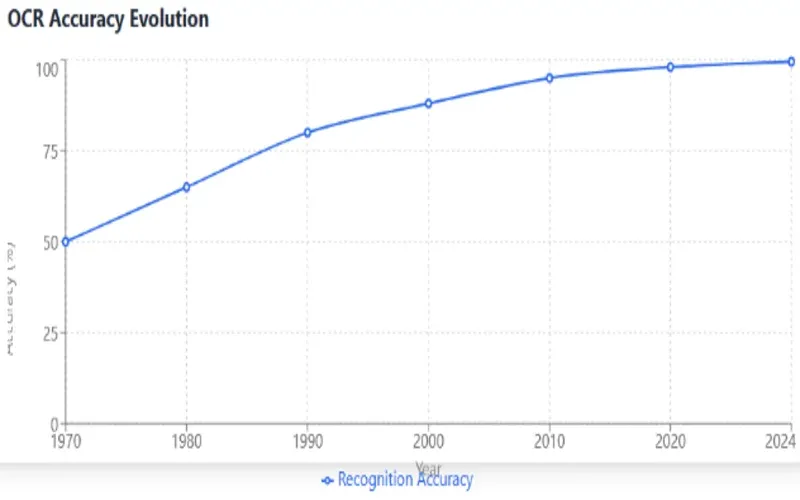
The journey of OCR technology from its early implementations to its current state reflects the broader evolution of computing and artificial intelligence. The earliest OCR systems, developed in the 1950s and 1960s, were primarily hardware-based solutions with limited character recognition capabilities, designed for specific use cases such as mail sorting or early data entry automation. The 1980s and 1990s marked a significant transition as software-based solutions emerged, offering improved accuracy and broader language support. However, the true revolutionary leap occurred with the advent of machine learning and artificial intelligence in the 2000s. Modern OCR systems, particularly those developed by Artificio, leverage sophisticated neural networks and deep learning algorithms to achieve unprecedented levels of accuracy while handling increasingly complex document formats and multiple languages simultaneously.
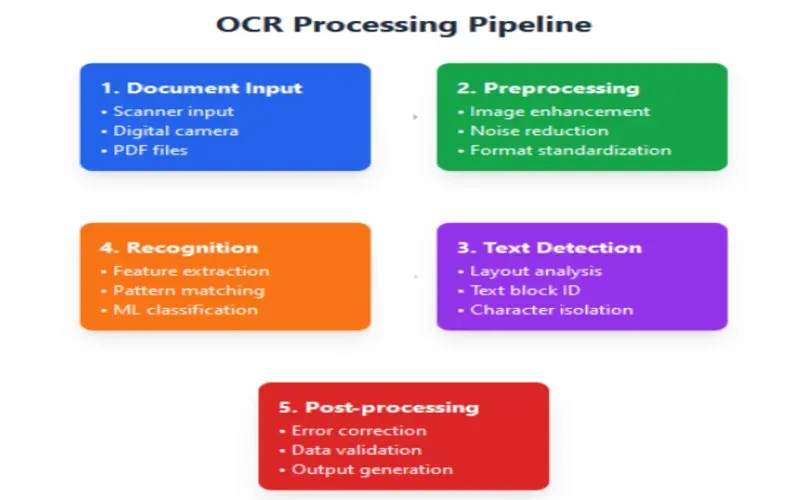
Artificio's contribution to the field of OCR technology represents a paradigm shift in how organizations approach document processing. Their system employs a multi-layered architectural approach that begins with sophisticated document preprocessing techniques. This initial stage involves advanced image enhancement algorithms that optimize document quality through noise reduction, skew correction, and format standardization. The subsequent text detection and segmentation phase utilizes state-of-the-art computer vision techniques to analyze document layouts and identify text blocks with remarkable precision. The character recognition process itself combines traditional pattern matching methodologies with advanced machine learning models, enabling the system to learn and improve from each processed document.
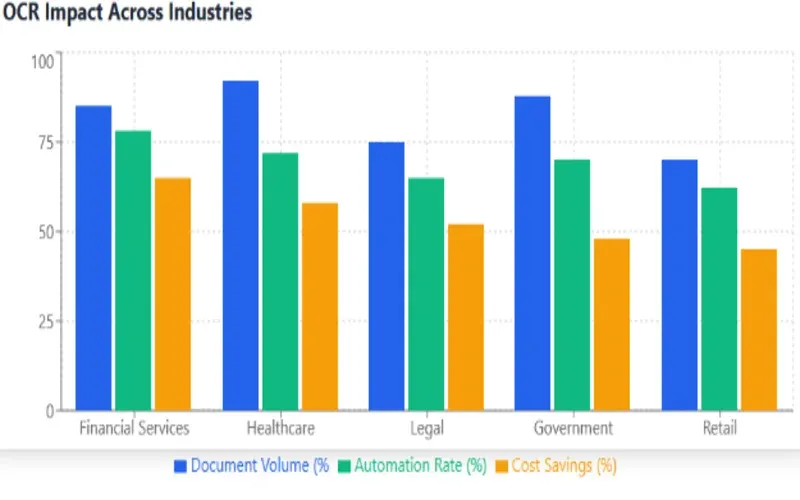
The versatility of Artificio's OCR solution has led to its widespread adoption across diverse industrial sectors, each with unique document processing requirements and regulatory frameworks. The implementation of OCR technology has demonstrated remarkable returns on investment across these sectors, with organizations reporting efficiency improvements ranging from 60% to 85% in document processing times.
In the financial services sector, the technology has revolutionized how institutions handle their documentation workflow. Banks and financial institutions have deployed OCR systems for automated processing of checks, reducing processing time from minutes to seconds per item while maintaining accuracy rates above 99%. Investment firms utilize the technology for rapid analysis of financial statements and regulatory filings, enabling faster market analysis and decision-making. Insurance companies have integrated OCR into their claims processing workflows, reducing the average claim processing time from days to hours while significantly reducing manual data entry errors.
The healthcare industry has witnessed a particularly transformative impact through OCR implementation. Medical facilities have successfully digitized decades of patient records, creating searchable databases that enhance patient care quality through improved information accessibility. Laboratory reports and test results are now processed automatically, with OCR systems capable of recognizing specialized medical terminology and complex formatting with accuracy rates exceeding 95%. The technology has proven invaluable in pharmacy operations, where OCR systems process prescriptions and medical orders with enhanced safety protocols that flag potential contraindications and dosage errors.
Legal sector applications of OCR technology have expanded beyond basic document digitization to include sophisticated analysis capabilities. Law firms utilizing Artificio's solution report processing efficiency improvements of up to 75% in document review processes for due diligence and discovery phases. The technology's ability to recognize and categorize legal terminology, case citations, and contractual clauses has enabled the development of sophisticated legal research tools. Courts have implemented OCR systems for case file management, reducing filing times and improving access to justice through faster document processing.
Government agencies at various levels have embraced OCR technology to modernize their operations and improve citizen services. Tax authorities have implemented OCR solutions for processing tax returns and supporting documents, reducing processing times by up to 70% while improving accuracy in assessment procedures. Immigration services utilize the technology for passport and visa processing, enabling faster application processing while maintaining stringent security standards. Local government offices have successfully digitized property records and permit applications, significantly reducing wait times for citizen services.
The manufacturing sector has found innovative applications for OCR technology in quality control and supply chain management. Production facilities use OCR to automate the reading of serial numbers, batch codes, and product specifications, reducing errors in inventory management and improving traceability. Logistics companies have integrated OCR into their shipping and receiving processes, automating the capture of shipping labels and customs documentation.
Retail and e-commerce businesses have leveraged OCR technology to streamline their operations and improve customer service. Large retailers use OCR for automated processing of purchase orders, invoices, and inventory documents, reducing processing costs by up to 65%. E-commerce platforms have implemented OCR for automated product catalog management, enabling faster listing of new products and more accurate product descriptions.
The successful implementation of OCR technology requires a systematic approach that considers both technical and organizational factors, necessitating a comprehensive strategy that encompasses multiple phases of planning, execution, and optimization. Artificio's implementation methodology has been refined through numerous enterprise-scale deployments, resulting in a sophisticated framework that ensures successful integration while minimizing operational disruption.
The initial implementation phase begins with a thorough analysis of the organization's document processing requirements and existing workflows. This assessment involves detailed documentation of current processes, identification of pain points, and quantification of potential efficiency gains. Organizations must conduct a comprehensive audit of their document types, volumes, and processing requirements, including considerations for seasonal variations and peak processing periods. This phase also includes the development of realistic timeline expectations and resource allocation plans, typically spanning 3-6 months for enterprise-wide implementations.
The technical foundation for OCR implementation requires careful consideration of both hardware and software requirements. Organizations must evaluate their existing IT infrastructure's capability to support the OCR system, including storage capacity, processing power, and network bandwidth. Artificio's solution offers both cloud-based and on-premises deployment options, each requiring specific infrastructure considerations. Cloud implementations typically require secure API endpoints and adequate bandwidth for document transmission, while on-premises solutions need appropriate server infrastructure and backup systems.
A critical success factor in OCR implementation is the establishment of robust document preparation protocols. Organizations must develop comprehensive guidelines for document handling that address multiple aspects of quality control:
The integration phase requires careful attention to existing business processes and systems. Organizations must map out detailed workflow diagrams that identify all points of interaction between the OCR system and other business applications. This includes:
The human element of OCR implementation requires significant attention to ensure successful adoption. Organizations must develop comprehensive training programs that address various user roles:
The implementation process must include robust quality assurance measures and optimization protocols:
Organizations must maintain comprehensive documentation throughout the implementation process:
The future of OCR technology, particularly through Artificio's innovative lens, presents exciting possibilities for further advancement. Emerging developments in artificial intelligence and machine learning continue to enhance the technology's capabilities in handling complex documents and multiple languages. The integration of natural language processing techniques promises to improve context understanding and error correction capabilities. Real-time processing capabilities are expected to expand, enabling more dynamic and responsive document handling systems. The convergence of OCR with other emerging technologies, such as blockchain for document verification and augmented reality for interactive document processing, suggests a future where document management becomes increasingly sophisticated yet more accessible.
The evolution of OCR technology, particularly through Artificio's innovative solutions, represents a significant advancement in how organizations handle document processing in the digital age. While the underlying technology remains complex, Artificio's approach has successfully democratized access to sophisticated document processing capabilities. The combination of cutting-edge artificial intelligence with intuitive user interfaces has created a solution that addresses the diverse needs of modern organizations. As technology continues to evolve, Artificio's commitment to innovation and accessibility ensures that organizations of all sizes can benefit from advanced document processing capabilities. The future of OCR technology appears promising, with continued developments expected to further enhance its capabilities and applications across various industries.

Head IT Operations - Co Founder of Artificio
See it in your SAP environment
Bring us a document, a process, or a bottleneck. We'll show how Artificio captures, validates, and posts into SAP — then scale from there.
Security & compliance
ISO 27001:2013 certified, SOC 2 Type 2 compliant, GDPR and HIPAA ready. Every agent action is logged, auditable, and runs in isolated environments.